Do lips always peel after Lip Blush? If you’ve been scrolling through Instagram and TikTok, you’ve probably seen plenty of post-treatment “flaky lip” videos. But what’s normal, what’s not, and what’s just social media drama? In our Brisbane studio, we see every type of healing process — from clients who hardly peel at all to those who go through a full scabbing/peeling process after a fresh lip tattoo.
The truth is: peeling can be a normal part of the lip blush healing period, but it’s not a one-size-fits-all experience. Your lip skin type, post-treatment care, lip blush pigment shade, and even the season in Brisbane can make a difference. And no, a big peel doesn’t necessarily mean better healed lip colour in the end.
Contents
- 1 Why Some Lips Peel And Others Don’t
- 2 What Happens Under The Skin
- 3 Timeline — What To Expect
- 4 When Peeling Is Heavy — And When It’s Not
- 5 Care For Your Lips During Healing
- 6 Lip Blush Healing And Cold Sores
- 7 2025 Beauty Trends
- 8 Myths
- 9 Handle Peeling In The Studio
- 10 Prep Checklist
- 11 Tattoo Removal And Trying Again
- 12 Final Thoughts
- 13 FAQ
Why Some Lips Peel And Others Don’t
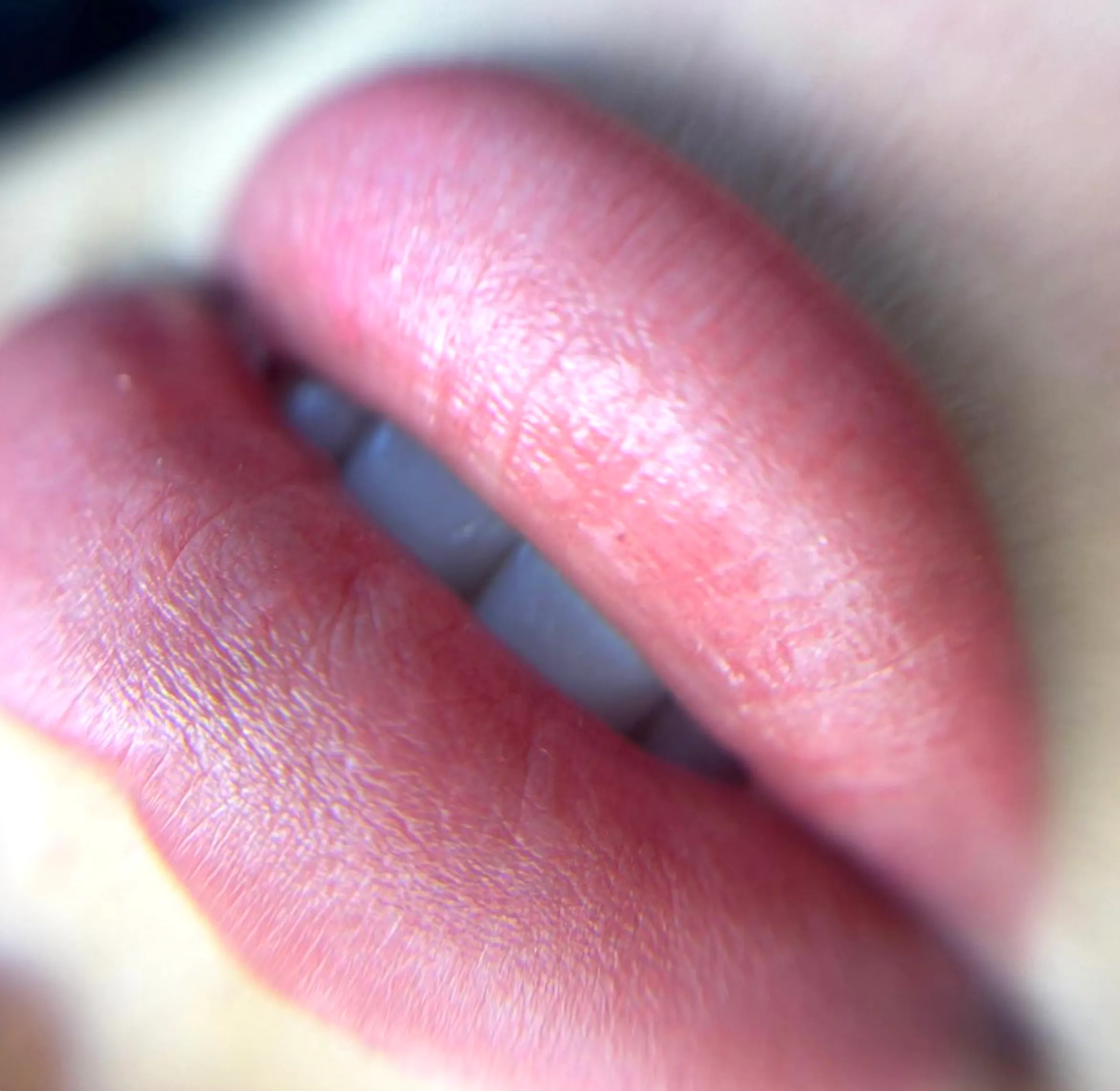
Not every lip blushing tattoo heals the same way — and that’s a good thing. Your body’s inflammatory response, skin tone, and how it reacts to a cosmetic tattoo technique all influence the outcome.
We’ve seen clients with naturally dry lips or those who use lip exfoliators regularly experience more visible flaking, while others — especially in Brisbane’s humid summer — barely go through any peeling. Your tattoo artist’s approach, including pigment depth and saturation during lip blushing tattoos, can also impact the healing stage.
What Happens Under The Skin

When you get a lip colour tattoo, a tattoo artist uses a cosmetic tattoo machine and sterilised instruments to implant pigment into the top layers of lip skin. The lip blush procedure creates microscopic openings, prompting your body’s healing process.
During the healing stage:
- Days 1–2: Lips may feel plump from lymph build-up, slightly swollen, and darker than your chosen pigment shade.
- Days 3–5: Most peeling (if it happens) begins here. Old lip skin lifts to reveal softer, lighter results beneath.
- Days 6–10: The peeling slows down; healed lips often look lighter due to temporary pigment loss.
- Weeks 4–6: Final colour emerges, ready for your perfection visit.
Timeline — What To Expect
| Healing stage | Timeframe | What you might see | What to do |
|---|---|---|---|
| Freshly done | Day 1–2 | Swollen, glossy, deeper colour | Keep lips clean, apply recommended aftercare balm |
| Early peel | Day 3–5 | Flaking or scabbing begins | Don’t pick, avoid spicy food, stay hydrated |
| Lightened stage | Day 6–10 | Lips look faded | Trust the process — pigment resurfaces later |
| Colour bloom | Week 4–6 | Final lip colour shows | Book your perfection visit if needed |
When Peeling Is Heavy — And When It’s Not
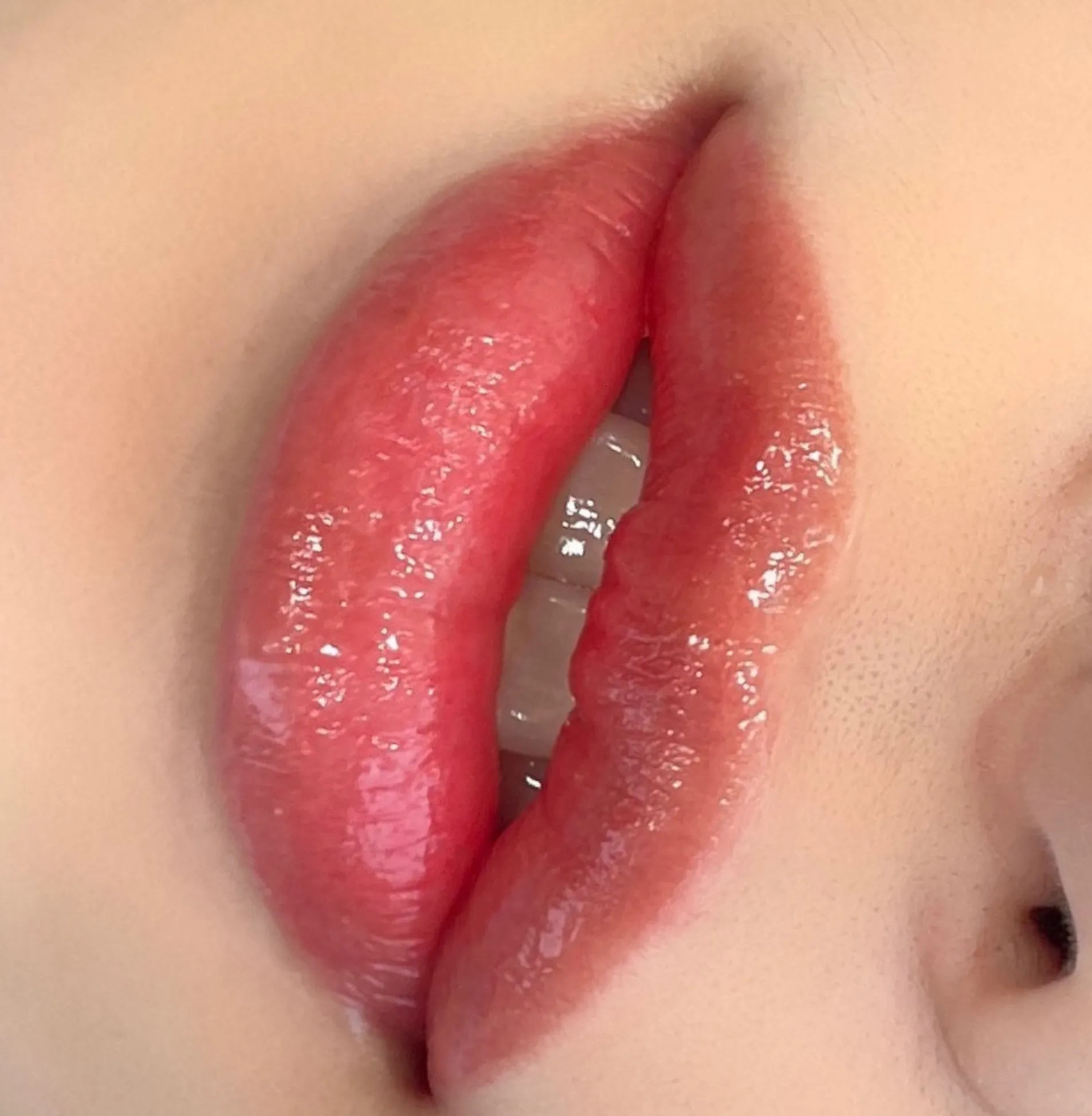
Heavy peeling after a lip blushing tattoo doesn’t mean anything’s gone wrong — but it can mean your skin is working harder to heal. It’s often linked to:
- Dry or chapped lips before your tattoo appointment
- Using a strong lip scrub before treatment
- Cold sores that disrupt the healing process
- Brisbane’s dry winter air or overuse of glycolic acids before the procedure
- Blood thinners or skin thinners affecting the healing time
Minimal peeling can be normal. Your skin may have just retained more pigment without needing to shed much surface layer.
Care For Your Lips During Healing
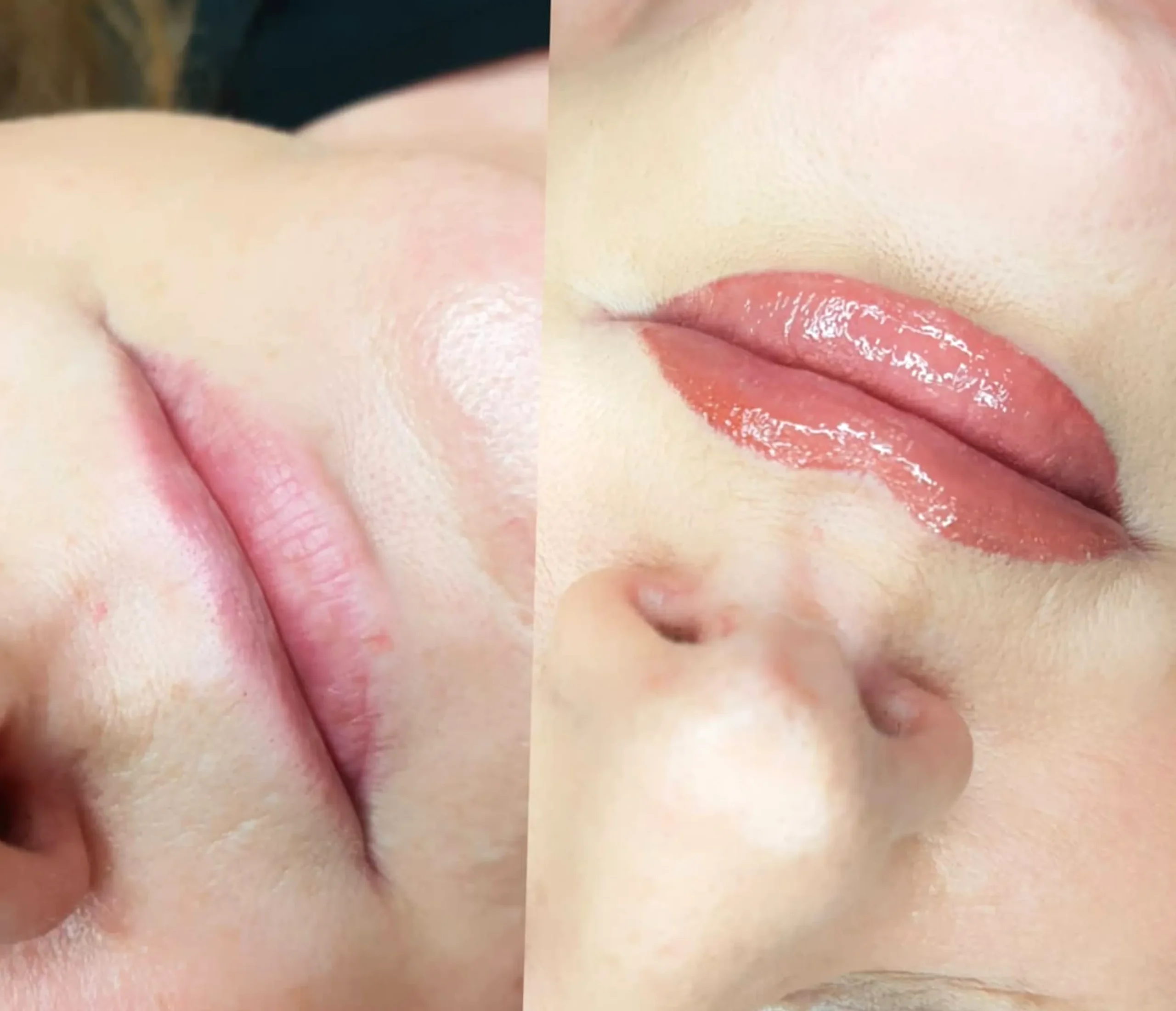
Whether you’re dealing with heavy peeling or just light flaking, post-treatment care is key to the best semi-permanent makeup results.
Aftercare tips we give every client:
- Keep lips clean and lightly moisturised with the aftercare balm we provide.
- No spicy food, alcohol or excessive heat for at least 48 hours.
- No picking — pulling off flaking skin can cause pigment loss and uneven lip shape.
- Use cold sore cream if you feel tingling (speak with your GP if you’re prone to cold sores).
- No lip filler or cosmetic botox until healing is complete.
Lip Blush Healing And Cold Sores
Cold sores are one of the biggest concerns with lip blushing tattoos. If you carry the herpes simplex virus, the trauma from tattooing can trigger a breakout. This isn’t caused by the pigment, but by your body’s inflammatory response.
Cold sore peeling is different to normal healing — it’s patchier and often more uncomfortable. We recommend a patch test before the procedure and pre-treatment antiviral medication if you’ve had cold sores before.
2025 Beauty Trends
- 78% of Lip Blush clients experienced some level of peeling
- 12% reported heavy peeling
- Softer lip tinting styles are linked to gentler healing and less scabbing/peeling
- In Brisbane, high sun exposure means more clients are adding SPF lip balms to their daily aftercare to extend pigment longevity
Myths
- Myth: Heavy peeling means better lip colour.
Truth: Final colour depends on pigment shade, skin tone and technique. - Myth: No peeling means the tattoo didn’t work.
Truth: Some clients heal with minimal flaking. - Myth: Helping skin peel speeds up healing.
Truth: Picking can cause scarring, keloid scarring and uneven pigment.
Handle Peeling In The Studio
At your appointment, we often hear one of two stories:
- “I peeled so much, I thought all my lip colour was gone!”
- “I barely peeled, so I wasn’t sure the lip blushing would last.”
Both are normal healing responses. Pigment retention depends on the tattoo artist’s technique, your skin type and how well you followed your aftercare, not how much you peeled.
Prep Checklist
Want to reduce peeling and make your healing period comfortable? Prep before your tattoo appointment matters.
- Stay hydrated and consider vitamin C or vitamin A for skin health.
- Avoid glycolic acids, lip scrubs and harsh exfoliators 3–5 days before.
- Don’t take blood thinners unless prescribed.
- Ensure your tattoo artist holds a blood-borne pathogen certificate and uses sterilised instruments.
- Do a patch test if you have sensitive skin or allergies.
Tattoo Removal And Trying Again
If you had an old lip colour tattoo or semi-permanent makeup that healed poorly, laser treatments or saline tattoo removal can clear the canvas before trying again. This is especially important if the colour has migrated or no longer matches your skin tone.
Final Thoughts
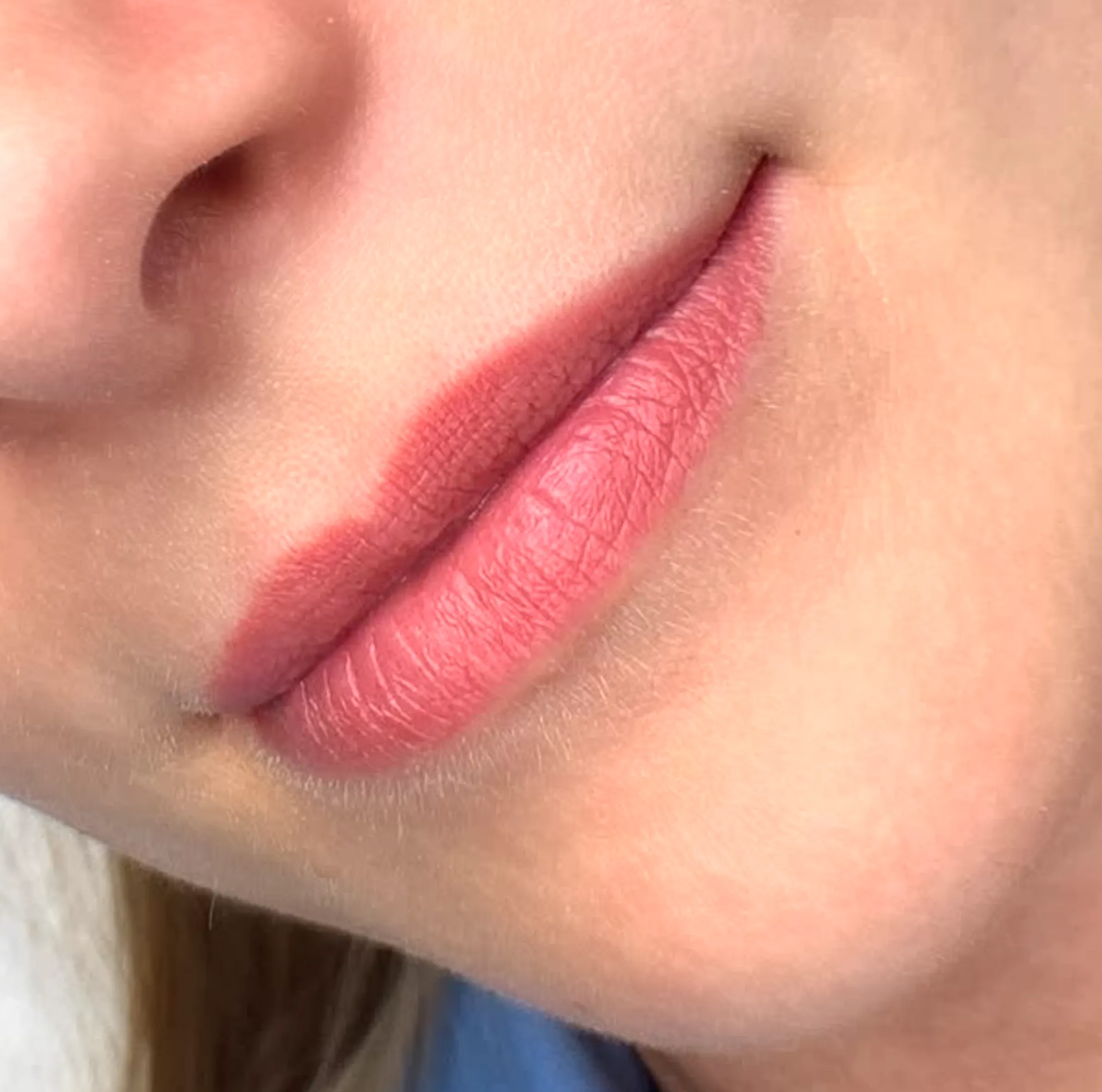
Whether you go through a dramatic scabbing/peeling process or just a light flake, the key to great lip blush healing is consistent post-treatment care and a good tattoo artist. Lip Blush is about creating a natural, long-lasting lip tint effect that suits your lip shape and skin tone, not how much you peel.
Our Brisbane clients know we focus on safety, artistry and comfort. From using numbing cream to guiding you through every healing stage, we make sure you get results worth wearing every day. For trusted results and personal care, visit us at Face Figurati Cosmetic Tattoo Studio in Brisbane — where your lips are treated like the art they are.
FAQ
Can I wear lipstick during the healing stage?
No — avoid it until peeling has stopped to prevent irritation and infection.
Does heavy peeling mean my permanent makeup will last longer?
No — lip blush longevity depends on pigment quality, cosmetic tattoo technique and aftercare products.
How long is the healing period?
4–6 weeks, peeling usually stops within 3–5 days.
Can I have lip filler before my Lip Blush Tattoo?
Yes, but wait 4 weeks between filler and tattoo.
What if I get a cold sore during healing?
Use your cold sore cream, keep your lips clean and let your tattoo artist know at your perfection visit.