So you’re asking where not to get a fine line tattoo? You’re already ahead of the game. I can’t tell you how many clients I’ve had in Melbourne who come in loving their tiny tattoo idea — only to find out too late that their chosen spot wasn’t ideal for their skin type, lifestyle or long-term results.
Fine line tattoos are beautiful — they’re subtle, minimalist and timeless. But they’re also delicate, and not every spot on your body plays nicely with that kind of fine line work. These tattoos, often done with single needles and known for their intricate details, are super popular on social media, but trends don’t always equal longevity. If you’re thinking about a fine line tattoo but unsure what to expect, learning about healing stages can help you make a confident choice.
Contents
- 1 Why some spots just don’t hold ink well
- 2 Hands, fingers and palms — tempting but short-lived
- 3 Feet and toes — sweat, shoes and not much staying power
- 4 Inner lip tattoos — fun trend, frustrating fade
- 5 Constant movement distorts delicate designs
- 6 Elbows and knees — every time you bend, you blur
- 7 Wrists and ankles — not all bad, but watch the rub
- 8 Doesn’t love fine detail
- 9 Neck and throat — tricky for healing, tricky to keep clean
- 10 Eyelids and eye area — leave it to permanent makeup pros
- 11 Oily or sweaty areas make healing harder
- 12 Centre of the chest — beware the cleavage crease
- 13 Back of knees and armpits — sensitive and sweaty
- 14 Why it matters
- 15 Smarter placement
- 16 Last word
- 17 FAQ
Why some spots just don’t hold ink well
Your skin isn’t a blank canvas — it moves, bends, rubs and regenerates. And in spots where friction is constant? That fresh fine line ink won’t stand a chance.
Hands, fingers and palms — tempting but short-lived
They look cool. They photograph well for social media. But finger tattoos on fingers, sides of hands or palms are notorious for fast fading, blow out, patchy healing and regular touch-ups.
- Constant washing and sun exposure
- High use of hands (typing, gripping, cleaning, etc.)
- Thicker skin and frequent shedding
And unlike more forgiving spots, finger tattoos often blow out or blur — especially if done with fine lining needles.
Real talk from the studio: I once had a client request a super delicate infinity symbol on the inside of her ring finger. She came back two weeks later devastated — it had all but disappeared. We ended up reworking it into a bolder line style but the intricate details? Gone.
Feet and toes — sweat, shoes and not much staying power
Think about what your feet go through daily. Socks, tight shoes, walking, sweating — it’s not the kind of environment fine line ink loves.
Even if the tattoo looks crisp at first, fading and blowouts are common. Plus, feet swell during healing, which distorts your design early on.
- Avoid tiny tattoos near toe creases
- Skip full outlines on weight-bearing areas like soles or ball of foot
If you still want foot tattoos, go for the top arch or ankle — with proper footwear, detailed aftercare instructions and dry healing methods.
Inner lip tattoos — fun trend, frustrating fade
We’ve all seen the “Yolo” or smiley face tucked under the lip — but inner lip tattoos are notorious for not sticking. The mucosal tissue regenerates rapidly, and most inner lip tattoos disappear within months (if they last that long at all).
Good for a secret selfie, not for longevity.
Constant movement distorts delicate designs
Fine line work thrives on stillness — that’s why placement matters so much. When skin is always moving, folding, or stretching, it’s hard for the pigment to settle evenly, especially when done with a precision tattoo machine using fine ink pigments and careful needle depth control.
Elbows and knees — every time you bend, you blur
- These joints are under constant tension.
- Ink migration is common.
- Cracking scabs from bending can lead to patchy results.
Unless the design is bold or shaded using solid shading techniques, fine line styles rarely age well here.
Wrists and ankles — not all bad, but watch the rub
These areas can work for wrist tattoos — but only if:
- You’re using quality ink flow and controlled tattoo equipment
- Your artist understands skin tension and placement
- You follow strict aftercare
That said, watches, bracelets, socks, and shoe straps can irritate healing ink or cause premature fading.
Studio tip: I often suggest placing wrist tattoos slightly higher, above the joint crease — especially for clients who wear smartwatches. You get the visibility without the rub.
Doesn’t love fine detail
The finer the line, the more important the skin quality. Loose, thin, or constantly moving skin is a tough canvas.
Neck and throat — tricky for healing, tricky to keep clean
Sweat, movement, collars, and even sleeping on your side — all of these play a role in how your neck tattoo settles. Fine line work here fades fast unless carefully placed and maintained.
Also: skin on the neck is prone to irritation and allergic reactions from pigment, skincare, or environmental factors. If you’re leaning toward a cosmetic tattoo in this area, it’s best to book with a licensed specialist who understands the risks.
Eyelids and eye area — leave it to permanent makeup pros
Fine line tattoo near the eyes? Unless you’re getting a cosmetic eyeliner tattoo from a licensed PMU artist, skip it. It’s not only risky, it requires specialist training, sterilization protocols, and tools designed for the area — not a standard tattoo machine.
Oily or sweaty areas make healing harder
Sebum, sweat, and friction create the perfect storm for blurry lines, poor ink retention, and scabby healing.
Centre of the chest — beware the cleavage crease
It’s not just about summer sweat or activewear. The centre chest area stretches with breathing, twists with turning, and often peels or flakes during healing.
Designs that cross the cleavage or sternum often need frequent retouches. If you’re going for geometric shapes or celestial themes here, expect distortion unless aftercare is pristine.
Back of knees and armpits — sensitive and sweaty
These spots don’t just move — they trap moisture. Fine line tattoos in the back of knees or inner arms tend to scab, blur, and heal patchy unless handled with extreme care (and a very dry healing environment).
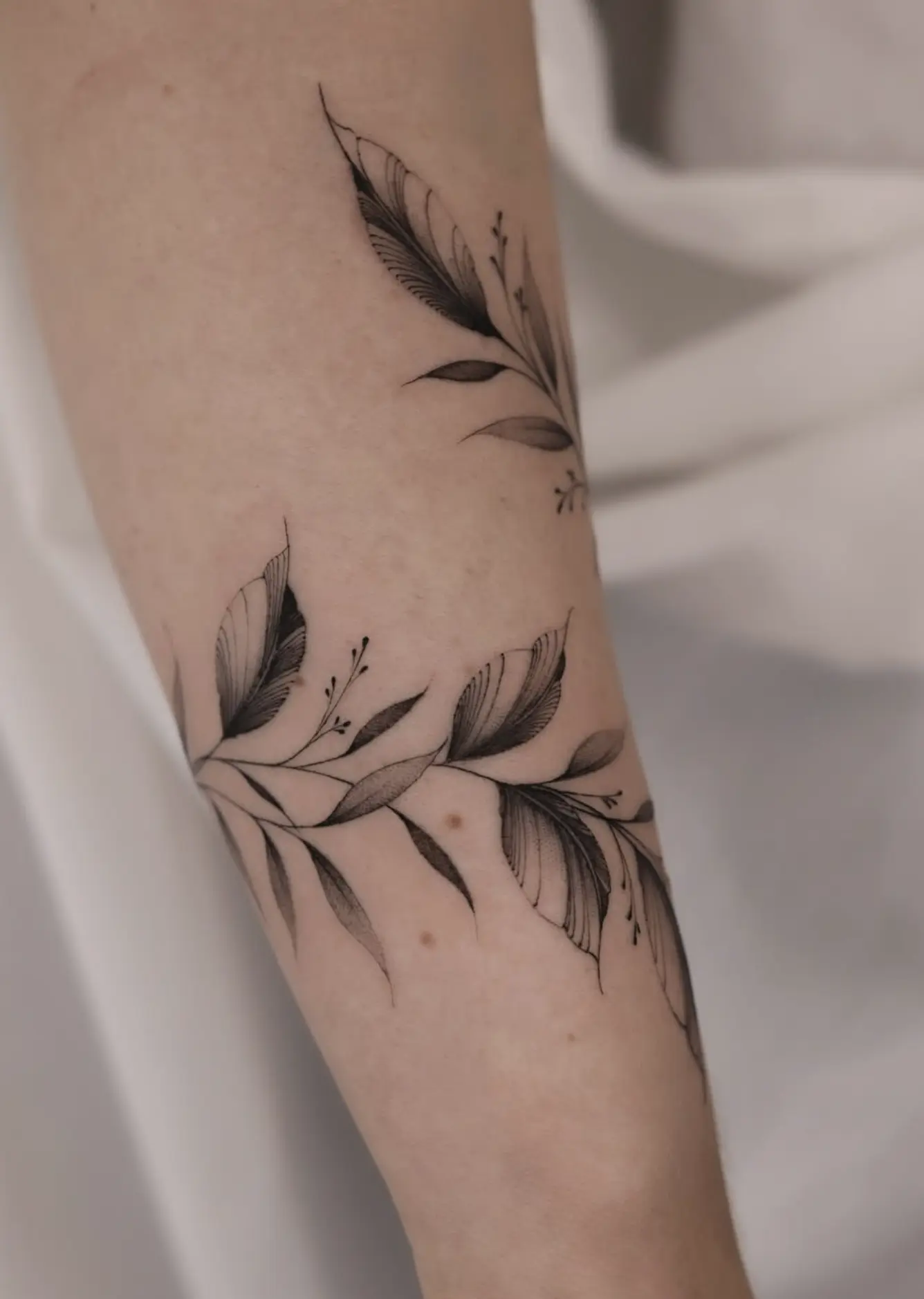
Why it matters
Your immune system, skin type, oil production, and age all affect how a tattoo heals, especially the delicate styles.
| Skin Type | Healing Challenges | Fine Line Tattoo Impact |
|---|---|---|
| Oily or acne-prone | Slower healing, risk of infection | Ink may blur or be rejected in clogged pores |
| Dry or mature | Thin skin, slower regeneration | Line work may appear patchy or fade faster |
| Sensitive or reactive | Swelling, allergies | Higher risk of irritation and poor pigment retention |
At Face Figurati Cosmetic Tattoo Studio in Melbourne, I always take a client’s skin condition and lifestyle into account before recommending a placement — because even the prettiest script designs or delicate florals won’t hold up if the canvas isn’t right. If you’ve taken a fine line tattoo course or are studying tattoo technique, you’ll know just how much skin type impacts final results.
Smarter placement
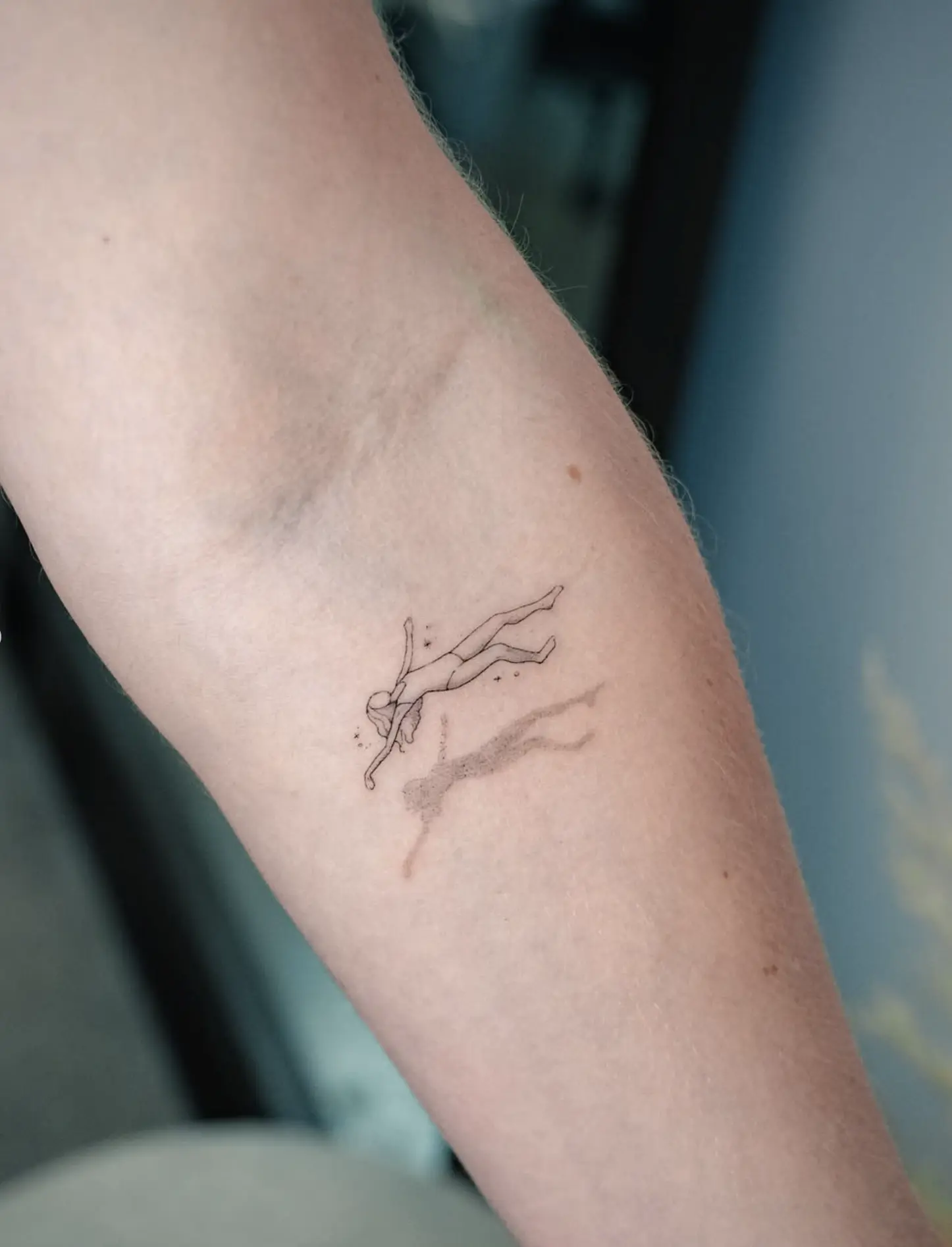
Fine line doesn’t mean fragile if you work with your body, not against it. Some areas hold ink better and show off that minimalist aesthetic — from abstract to flowing lines and detailed geometry.
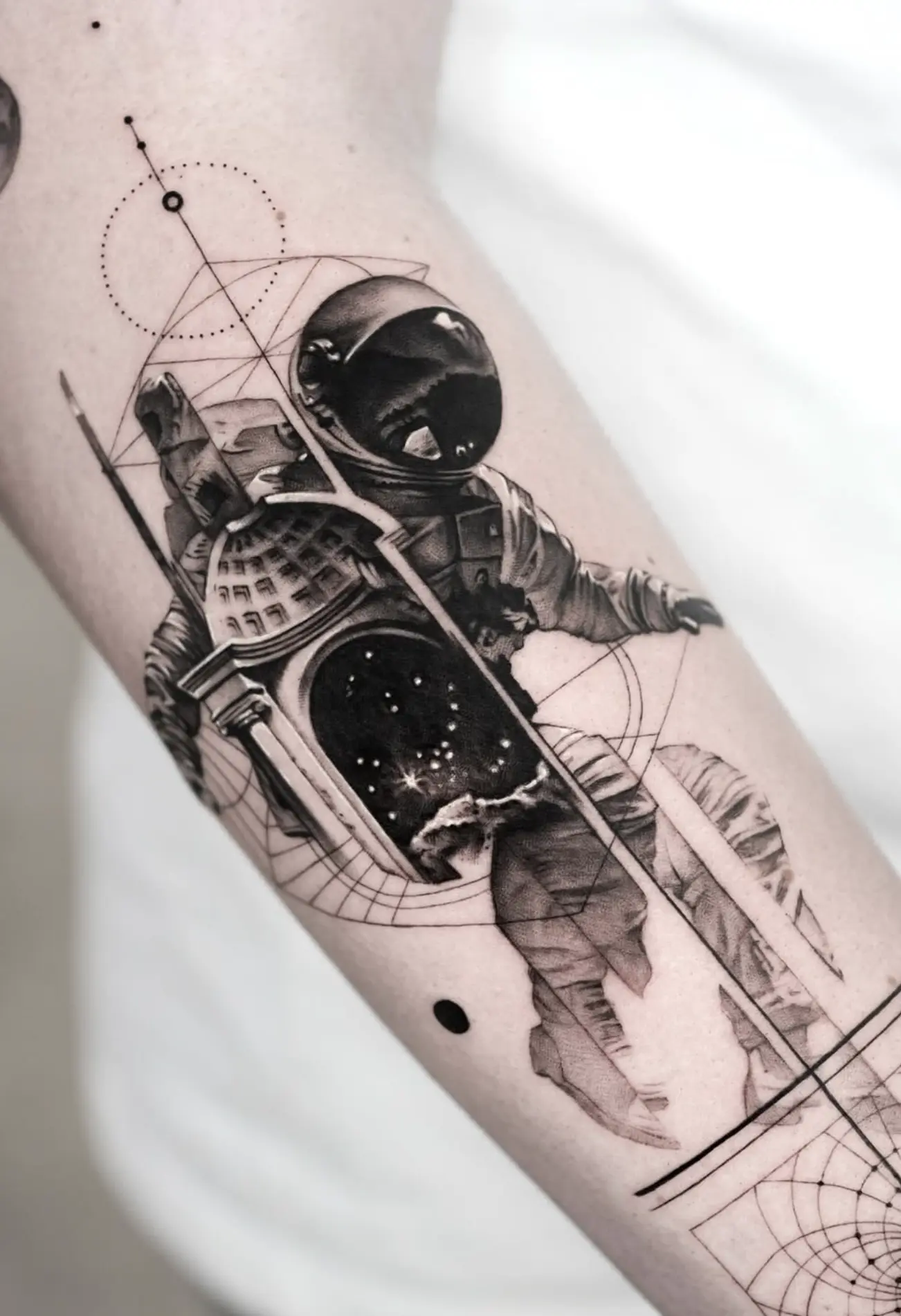
Best areas for longevity:
- Outer arms (triceps)
- Shoulders
- Upper back
- Rib cage (with care)
- Hips and thighs
- Inner forearms
- Upper ribs (if you’re okay with the pain tolerance)
These areas have:
- Thicker skin
- Less movement
- Fewer oil glands
- More stable healing time and lower infection risk
The tattoo machine and single needles can deposit ink cleanly and consistently. Whether you’re booking your first fine line tattoo or studying to become a tattooist through a fine line tattoo course, understanding anatomy is key to better results.
Last word
Fine line tattoos are all about subtle beauty — but that subtlety comes at a cost if you choose the wrong spot.
Think beyond the ‘first week selfie’ and consider how it’ll look in six months, one year, or five. Will it still be crisp? Will the details still pop? Will the shading and colour blending still hold?
If you’re unsure where to place yours, or want honest feedback on your idea, pop into Face Figurati or shoot me a message. I’m always happy to offer advice before the needle even touches skin. We also offer gift vouchers if you’re planning a surprise session, and our minimum charge is clearly stated for all designs — abstract, floral or script.
FAQ
Can I get a fine line tattoo on my finger if I’m willing to get touch-ups?
Yes — but know that even with regular touch-ups, it may never look as crisp as you want. Finger tattoos are high risk for blowouts and patchy healing.
Why does my ankle tattoo look blurry already?
Probably due to movement, rubbing from socks or shoes, or ink migrating in the healing phase. Fine lines need a stable, low-friction healing zone.
Is there a ‘safe’ spot for fine line face tattoos?
Facial tattoos are always tricky. If you’re considering one, stick to areas with thicker skin like the sides of the face — and only trust a PMU-certified artist who follows proper sterilisation protocols.
Can oily skin ruin a fine line tattoo?
It can complicate healing. Sebum can push pigment out or irritate. Proper aftercare and strategic placement help minimise the risk.
Most underrated spot for fine line tattoos?
Outer arms and behind the shoulder — easy to hide, age well, and nobody looks at those areas when browsing tattoo studios or following guest artists.