What are the best nighttime wildlife tours in the Daintree Rainforest? I’m going to give you the lowdown – the best ones are small group, guide-led experiences run by locals who actually know the bush inside and out, rather than any old operator just rushing you through with a torch and a script. If you want to see some real wildlife, you need to find a guide who knows their stuff, be at the right place at the right time and be prepared to be patient.
I’m Paul, and I’ve spent many an evening sweating it out and getting eaten alive by mozzies up around Cape Tribulation – and let me tell you, the Daintree after dark is an entirely different world. It’s not just about spotting the odd animal – you’ll be hearing them, feeling them and sometimes even nearly walking straight into them. And yeah, sometimes you’ll be thinking ‘what on earth am I doing ?’
But that’s why you came here, right
Contents
- 1 Why Night Changes Everything
- 2 Guided Night-Time Walks That Actually Deliver
- 3 River-Based Tours For Big Reptiles
- 4 Private Wildlife Tours For Serious Spotters
- 5 Comparing Your Options Without The Sales Pitch
- 6 What You’ll Actually See – No Jokes
- 7 Plan Your Visit Right
- 8 Stuff To Bring To Make Your Life Easier (Trust Me)
- 9 Staying Safe Without Freaking Out
- 10 Respecting Country And Taking Care Of The Place
- 11 A Sticky Night Near Cape Tribulation
- 12 Final Thoughts
- 13 FAQ
Why Night Changes Everything
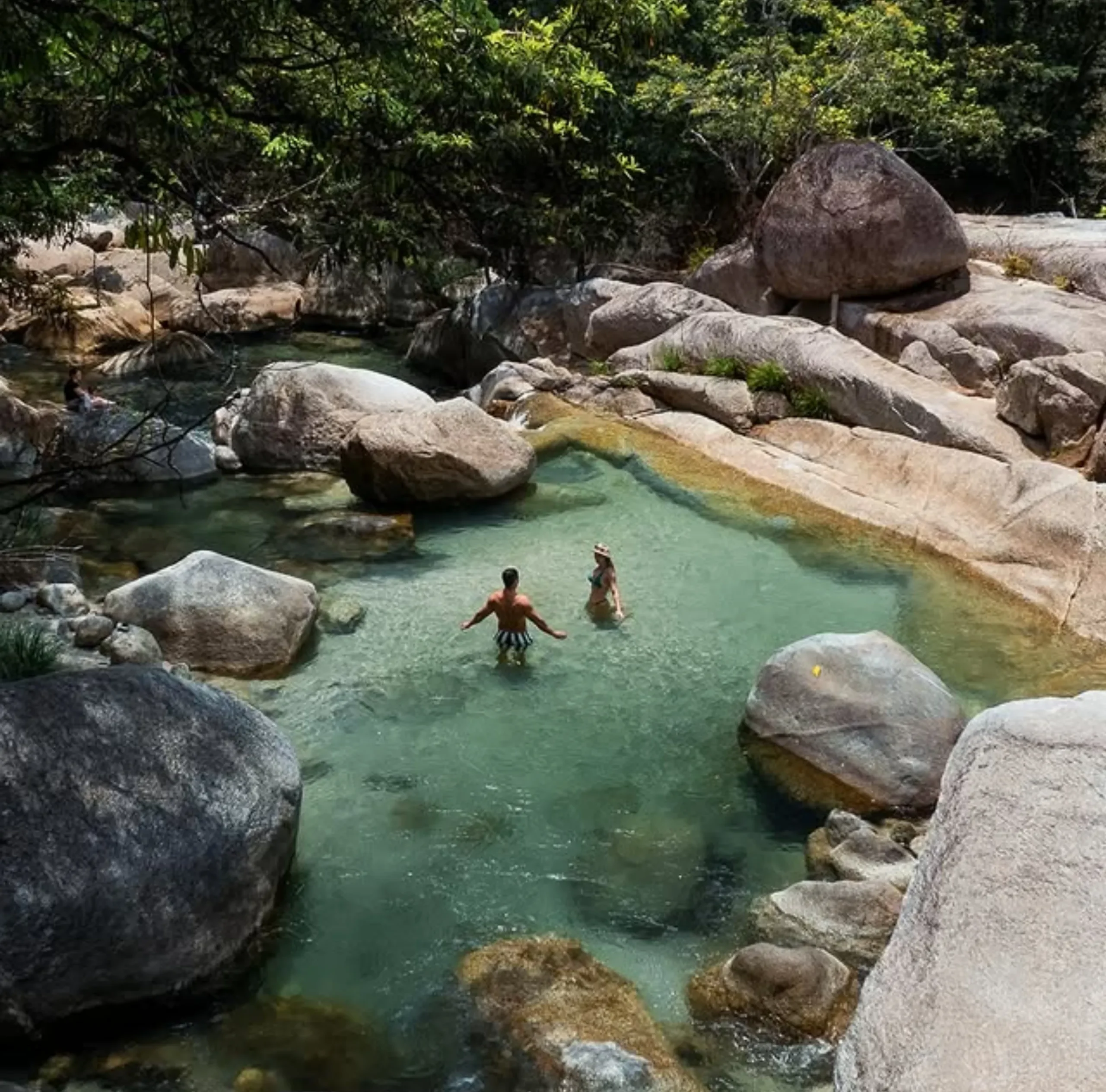
Most people do the Daintree during the day and reckon they’ve seen it all – but the truth is, they’ve barely scratched the surface. The real magic starts once the sun goes down and the air thickens with humidity.
The killer stat is that around 70-80% of rainforest mammals are nocturnal. That includes loads of the forest animals people actually want to see. So if you give the evenings a miss, you’ll be missing most of the wildlife.
And it’s not just about numbers – it’s about behaviour. Frogs start shouting their heads off, insects start swarming, reptiles make a move, and the whole place comes alive in a way that just doesn’t happen during the day
Guided Night-Time Walks That Actually Deliver
If you want to see some real nighttime wildlife, these are the ones to start with. A well-run Great Ocean Road tour will give you access to areas and knowledge that would be impossible to get on your own.
A good guide – often someone who’s worked as a scientist or field naturalist – will basically be able to read the forest from a book. They’ll know where the animals hide, where the frogs gather after rain, and which bits of the track are worth slowing down for.
What you might spot on a good tour
- leaf-tailed geckos clinging to tree bark
- Bright green tree frogs
- Rainforest dragons just chillin on tree trunks
- Spiders are spinning massive webs across trails
- Small mammals scurrying through the leaf litter
Every now and then, you might get lucky and spot something special – a glimpse of a tree kangaroo, or a large snake stretched out along a branch
I’ve seen people walk straight past a carpet python, just because they can’t spot it, and then the guide is there, quietly pointing it out. Without that local knowledge, you’d have no idea it was even there.
And yes, there are some operators – including Wildlife Tours – that run these walks with a focus on keeping groups small and movement low-impact. Thats way more important than people give it credit for.
River-Based Tours For Big Reptiles
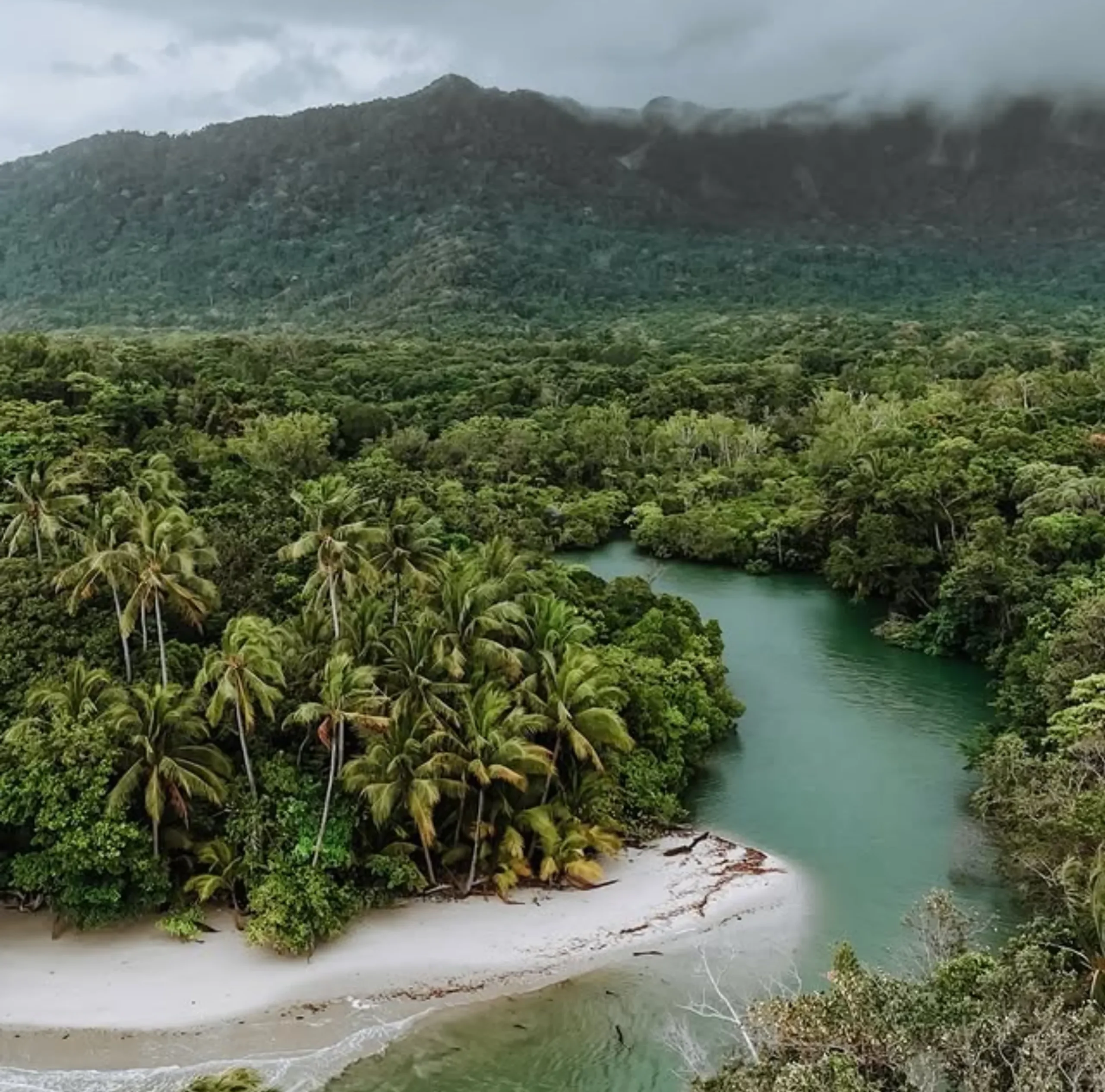
Not everyone is up for hiking through the forest at night, and honestly, that’s no problem. If you’d rather leave the trails behind, river-based adventures are the way to go.
On these trips, you’ll be gliding along the Daintree River, scanning the banks for movement and the telltale glint of eyes. It’s a whole lot calmer, and a little cooler too, which is a big plus if you’re travelling with kids or just plain don’t like scrambling through the dark and trying not to trip over roots.
What you can usually expect to see on one of these tours is:
- Some very real locals – saltwater crocodiles
- Birds snuggled up in the mangroves, fast asleep
- Frogs and the occasional snake popping out from the edges
You don’t get deep into the forest itself on these trips, but you do get a decent taste of what the nighttime wildlife is like in the area.
Private Wildlife Tours For Serious Spotters
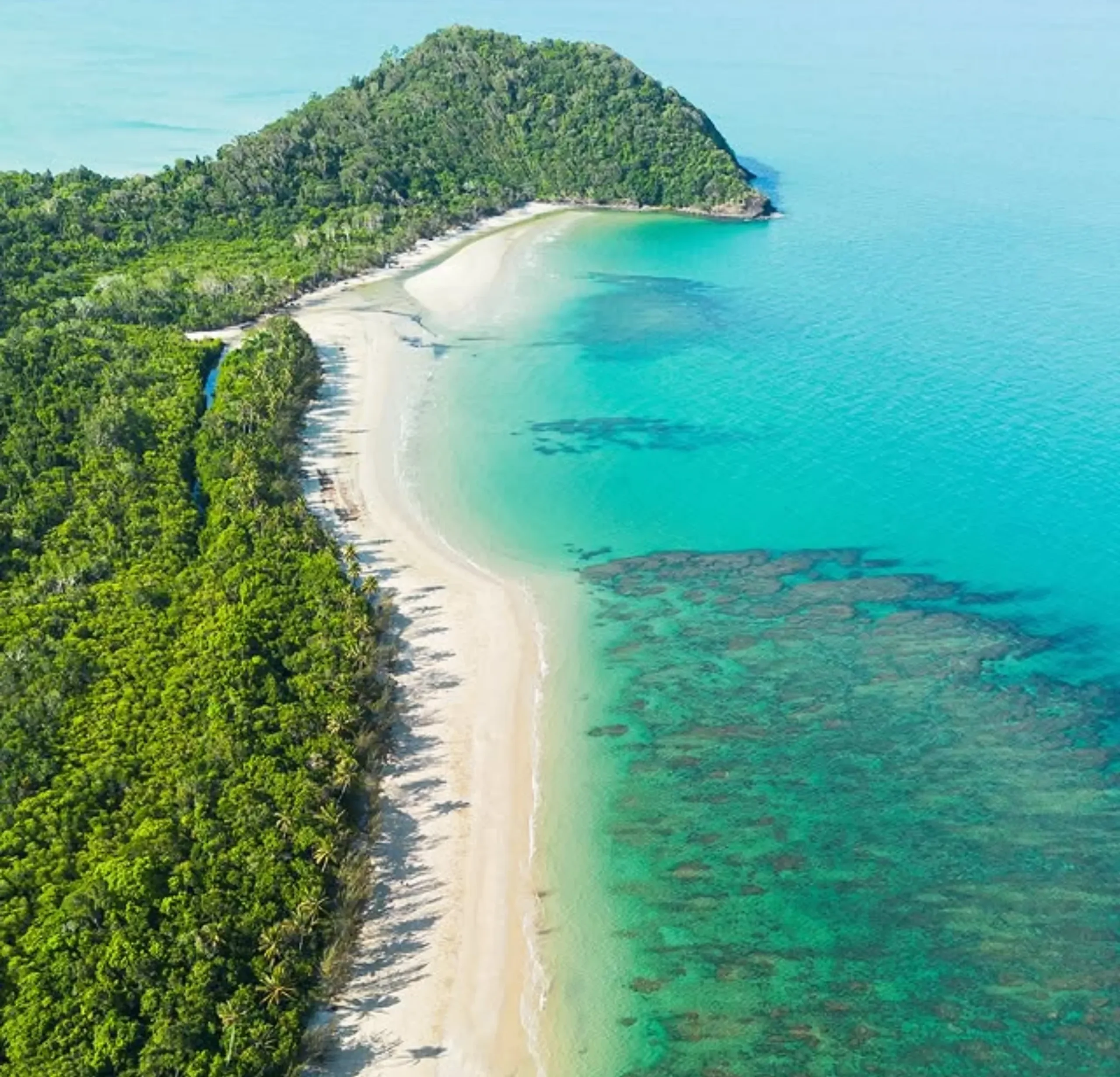
If seeing all the local wildlife is what brought you to this part of the world, then a private tour is the way to go.
These trips often take you through some pretty quiet sections of rainforest, even some parts of private nature reserves or trails that are way less crowded than the usual tourist spots. That means fewer people around, less noise, and a much better chance of spotting something really interesting.
The difference comes down to having the time to take your time, and being able to adjust the tour on the fly to suit how things are going – your guide can keep an ear to the ground for any hotspots and sightings, and even check in on some of the local patterns and trends.
Some of the best operators – you’ll probably come across names like Wildlife Tours – actually plan their itineraries around these local trends and patterns rather than running the same old route every night.
Comparing Your Options Without The Sales Pitch
| Experience Type | Best For | Wildlife Potential | Effort Level | Price (AUD) |
| Guided Night Walk | First-timers and keen observers | High | Moderate | $45–$90 |
| River-Based Experience | Families and relaxed travellers | Medium | Low | $35–$70 |
| Private Experience | Enthusiasts and photographers | Very High | Flexible | $150–$300+ |
What You’ll Actually See – No Jokes
Keep your expectations in check. The Daintree isn’t some magic zoo where you can guarantee spotting a certain animal every time you visit.
That being said, the Daintree is a really wild place and comes alive at night.
Some things you might just happen to see:
- Frogs – especially if there’s been some rain around
- Bugs by the thousand
- Orb-weaver spiders strung out across the tracks
- Geckos and skinks scurrying about
- Snakes – like the occasional carpet python
Less commonly, but still possible:
- Possums
- Bandicoots
- Rainforest dragons
- The amethystine python (Yep, it’s a big one)
You might also come across people calling the amethystine snake by a different name – basically the same snake, different terminology. To be fair, they do look quite intimidating, but they aren’t out to get you.
Paul’s Take: If someone tells you they can guarantee rare wildlife sightings, they’re just having a laugh.
Plan Your Visit Right
Dry Season (May to October)
- Better walking conditions
- Lower humidity (still warm though)
- Wildlife is active, just not as showy as when it’s wet
Wet Season (November to April)
- Hot, sticky, and full of buzzing insects
- Peak frog time
- Higher chances of spotting reptiles
Now, if it’s been lightly raining before your tour, you’ll be in luck – that’s when all the wildlife tends to come out in force – especially along the natural paths and shaded sections of the forest.
Stuff To Bring To Make Your Life Easier (Trust Me)
You don’t want to turn up with just thongs and a can of spray and expect to have a good time. I’ve seen people do this, and it ends badly.
Bring at least the following:
- Good, strong insect repellent – can’t stress this enough
- Some lightweight long sleeves to cover up
- Proper shoes for walking
- A torch or headlamp
- Water to drink
And, for goodness sake, don’t turn up in bright white – it reflects light and spooks the animals. Go for duller colours and try to keep a low profile.
Staying Safe Without Freaking Out
Yes, there are crocodiles in the area. And snakes. But honestly, as long as you don’t have your head up in the clouds, it’s not somewhere you need to lose sleep over.
Just stick to the designated tracks, keep an eye on your guide, and don’t be tempted to wander off on some wild goose chase into the bush trying to prove how much of a wildlife buff you are.
The biggest risk up here? People being complete muppets on their own, that’s what.
Respecting Country And Taking Care Of The Place
The Daintree is on the ancestral lands of the Eastern Kuku Yalanji people – it’s not just another place on the map to tick off your tourist bucket list. This is a living, breathing cultural landscape that we’re talking about here.
Operators who are on the ball will be doing their bit for the environment in the following ways:
- Making sure we’re not trampling all over the natural trails
- Keeping groups small so we don’t end up with a bunch of people traipsing through the bush
- Showing some respect to the wildlife and their habitats
- Doing all the right eco-friendly things to keep the place looking its best
Sustainable tourism isn’t some optional extra here – it’s required if we want this place to stay as wild and untouched as it is.
A Sticky Night Near Cape Tribulation
One night, not far from Cape Tribulation, I was out with a small group of us making our way very slowly along this thin little track. The humidity was absolutely off the charts – the sort of night where you’re sweaty in minutes.
Our guide just stopped dead in his tracks.
No talking. No noise.
Then he points up in the air.
At first, nothing. Just a bunch of branches swaying in the breeze.
Then it clicked – we were looking at a bloody massive amethystine python draped across a branch like it owned the place. More than half the group would’ve just walked straight underneath it without even noticing.
That’s the difference a good guide can make – that’s for sure.
Final Thoughts
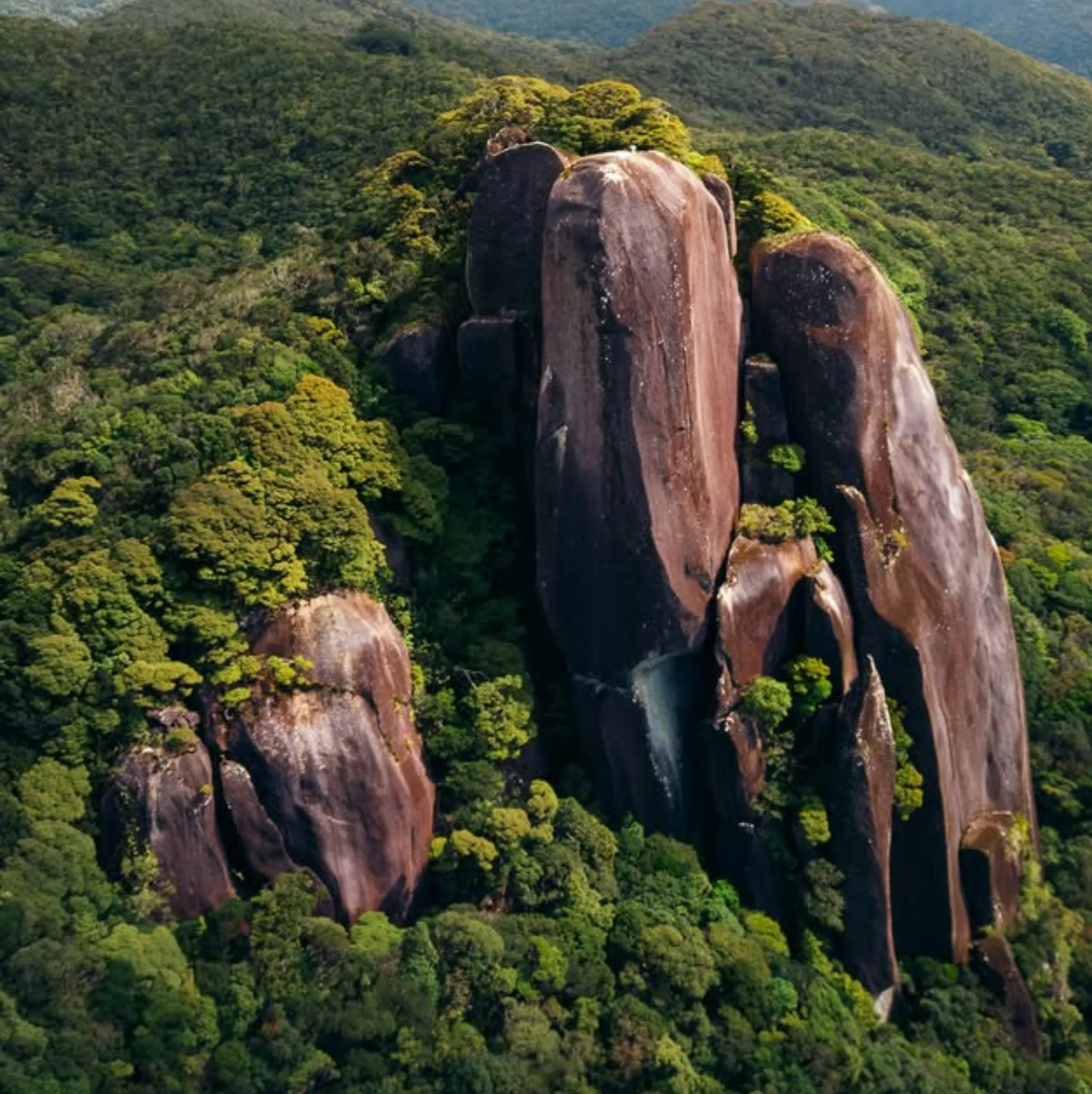
The top night-time wildlife tours in the Daintree Rainforest boil down to three main things: a good guide, some patience and access to the good stuff.
You need a guide who knows the bush, not some bloke who’s just going to rush you through it like a tourist on a tight schedule. You want small groups, people who can move quietly so as not to spook the wildlife, and actually have time to stop and take in what’s around you.
Skip the tours that are just a mad scramble, and avoid anything that feels like it was put together at the last minute. And don’t just rely on getting lucky – what you need is a guide with some real experience.
And don’t just rely on getting lucky – what you need is a guide with some real experience.
If you’re serious about doing it right, then we at Get Lost Travel Group are just the ticket: small groups that allow for proper pacing, guides who really know what they’re talking about, and an overall vibe that says we’re here for the wildlife, not just a quick fix.
If you get a cracking sighting or stumble upon a track that’s totally worth sharing, then chuck it in – we’re always on the lookout for new tales to add to the old field notes book.
FAQ
Is it safe to be traipsing around the rainforest at night?
Yeah, when you’re with a qualified guide, stick to the organised tours and do as you’re told.
Can I just take a walk on the Daintree Boardwalk at night?
You can try, but to be honest, you’ll see bugger all if you’re just wandering around on your own. The guided tours are always going to give you a lot better chance of spotting some decent wildlife.
What are the chances of running into a snake?
Reasonable enough in the warmer and wetter months – most of them are pretty keen to avoid humans though, especially the big ones.
Is this sort of thing ok for kids?
It depends on the sort of tour, but the river-based ones are usually a winner if you’ve got kids along. And as for walking tours, well, it really depends on how far they’re willing to be from the bright lights.
Where should we stay to get some good access to the rainforest?
Around Cape Tribulation, if you’re after something a bit deeper, or near the river, if you want to keep things nice and simple with the tour logistics.