If you’ve ever wondered what skills are needed to be a laser technician, you’re in the right place. Having spent years seeing the full gamut of results walk into Cosmetic Tattoo Studio Melbourne Face Figurati for help – the good, the bad, and the “who on earth trained you?” – I’m more than happy to share my insights. In this article, I’ll give you a rundown of the real-world skills any technician should have to be considered safe, skilled and genuinely worthy of your trust – especially when it comes to working with precision laser technology, or for that matter, advanced cosmetic tattoo services.
Laser work in Melbourne isn’t just about pointing a device and hoping for the best, you know. Our climate, lifestyle, and diverse skin types mean technicians need to have their wits about them and a thorough grounding in the subject. And what’s interesting, many students who complete a laser hair removal course then come to me asking how laser work stacks up against permanent makeup techniques – and my answer is always: “Both require a whole lot of skill”.
Contents
- 1 Strong Understanding of Skin Anatomy and Skin Types
- 2 What This Looks Like in Practice
- 3 Technical Competence With Laser Devices
- 4 Laser Safety and Training Statistics
- 5 Clinical Judgement and Treatment Customisation
- 6 Communication Skills and Client Education
- 7 Attention to Safety Protocols and Hygiene Standards
- 8 Ability to Recognise Contraindications Quickly
- 9 Calm Hands and Steady Technique
- 10 Record-Keeping and Treatment Progress Tracking
- 11 Empathy, Patience, and Professionalism
- 12 Final Reflection — Is Laser Work Right for You?
- 13 FAQ
- 13.1 Do I need a certificate to work as a laser technician in Australia?
- 13.2 Are laser technicians part of the beauty or medical side of things?
- 13.3 Do technicians need to understand how to work with different skin types?
- 13.4 Do I need more in-depth technical knowledge than just the basics?
- 13.5 Is there a need for ongoing professional development in this industry?
Strong Understanding of Skin Anatomy and Skin Types
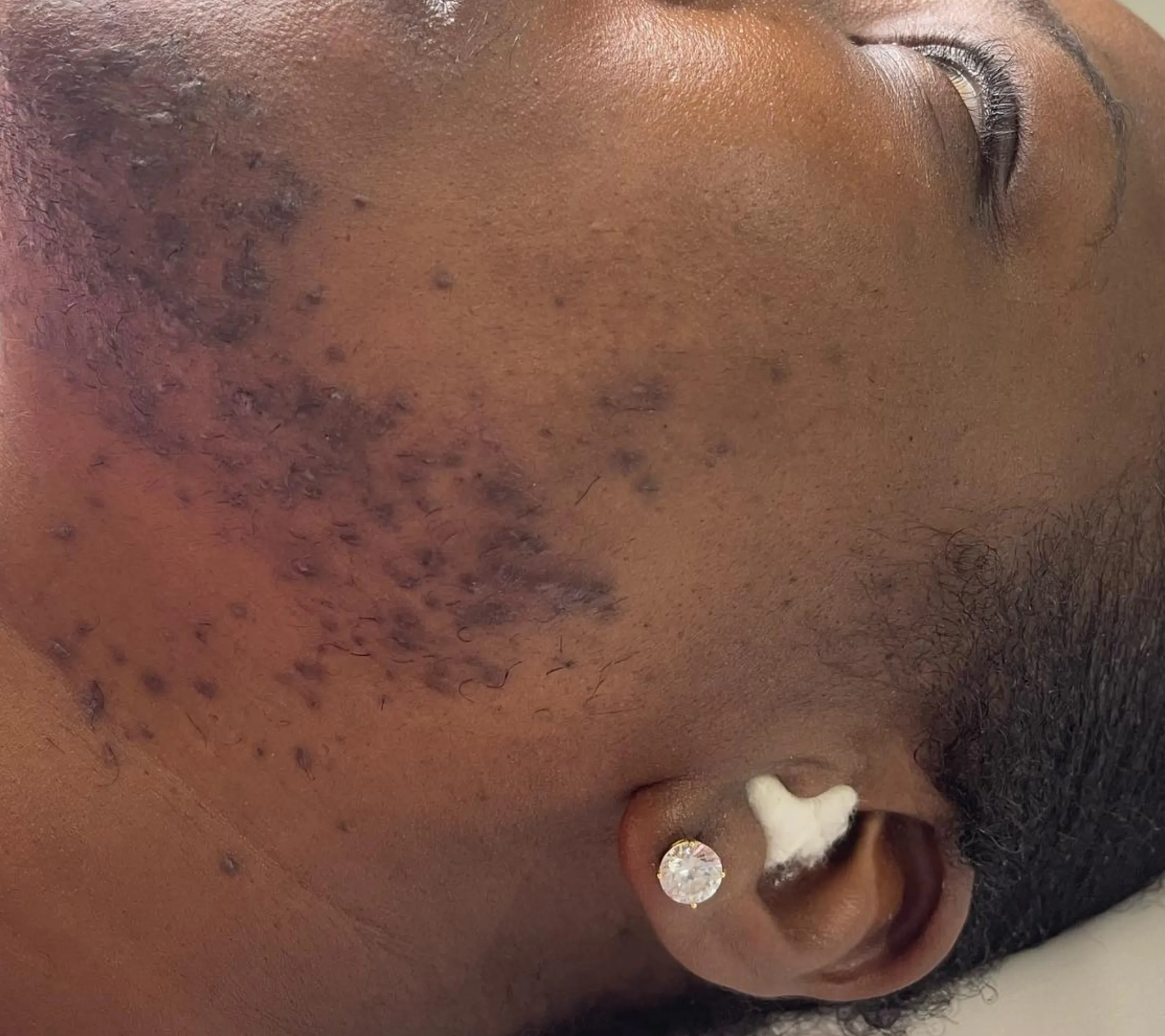
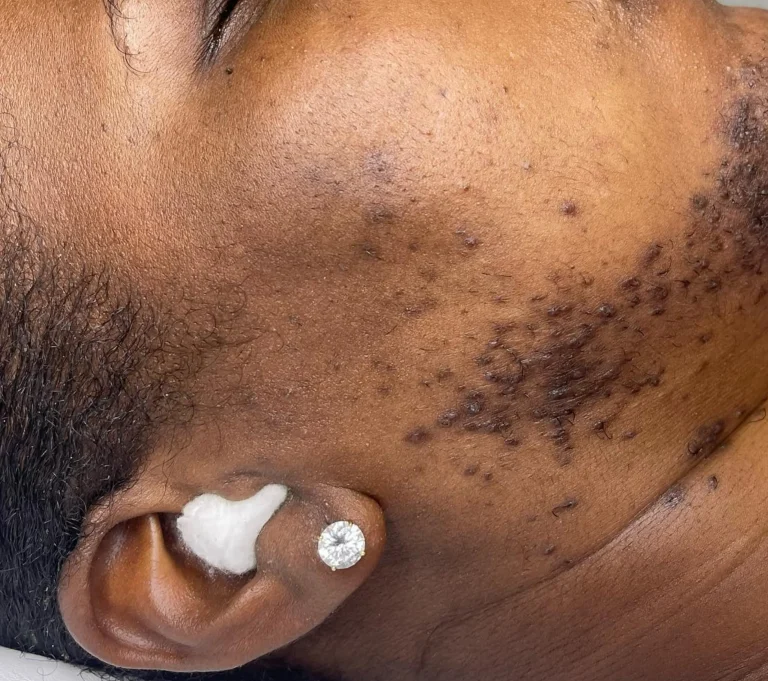
Before a laser even gets going, a good technician has already got a handle on why two clients might react completely differently to the same settings. With Melbourne’s unpredictable weather conditions – dry winters, humid summers, and all that – skin conditions can be a real challenge. So, skin anatomy and sensitivity assessment are key.
A properly trained technician – whether through a laser hair removal course, or a related dermal qualification – knows that skin layers, vascular supply and melanin behaviour all dictate every single decision they make.
What This Looks Like in Practice
- Spotting when skin is compromised and putting the session on hold.
- machine settings based on the individual skin type.
- Giving the client a clear understanding of what to expect from the treatment plan.
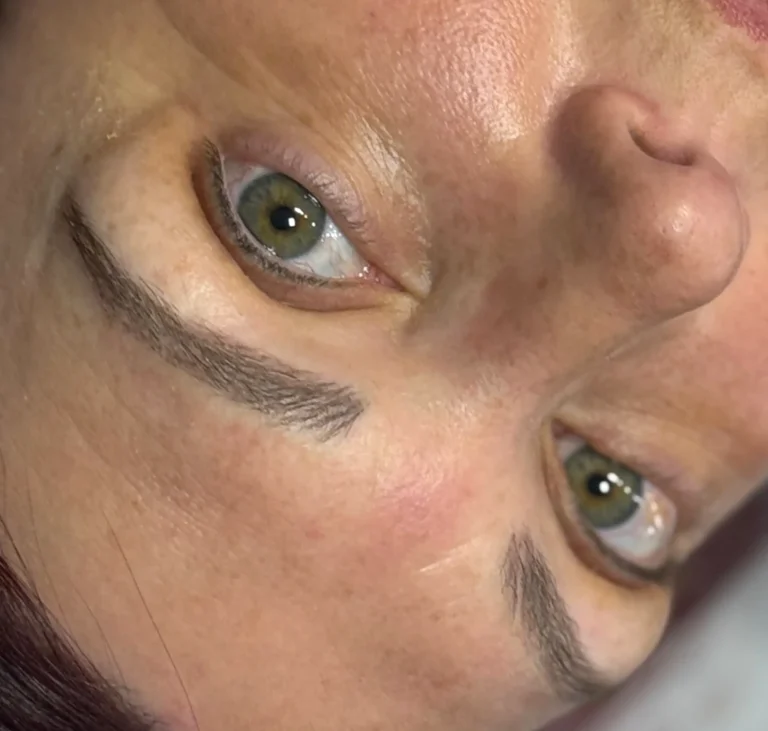
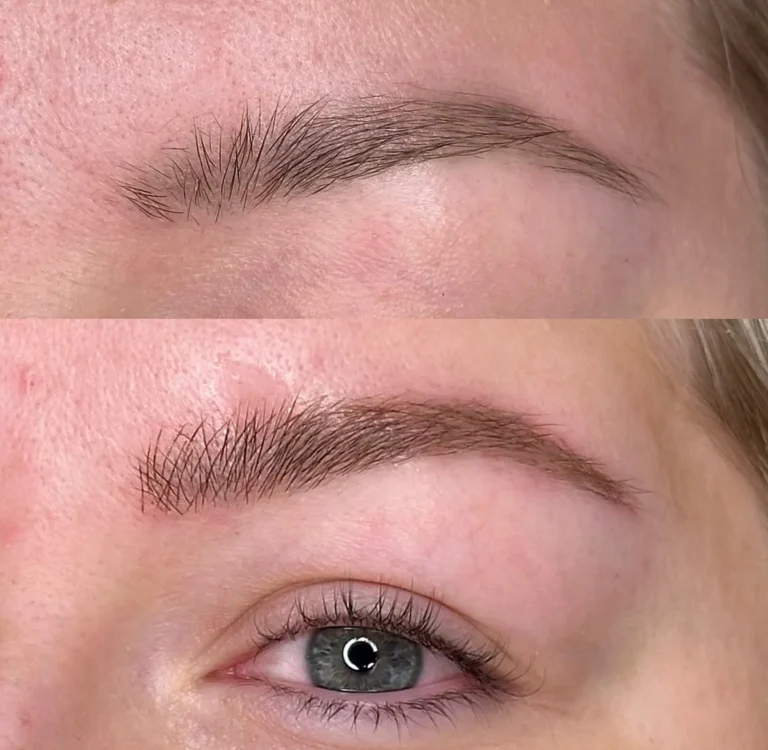
At Cosmetic Tattoo Studio Melbourne Face Figurati, we apply the same skin assessment principles to laser, brows and eyeliner tattoos in Melbourne, because healthy skin is the foundation of every service we do.
Technical Competence With Laser Devices
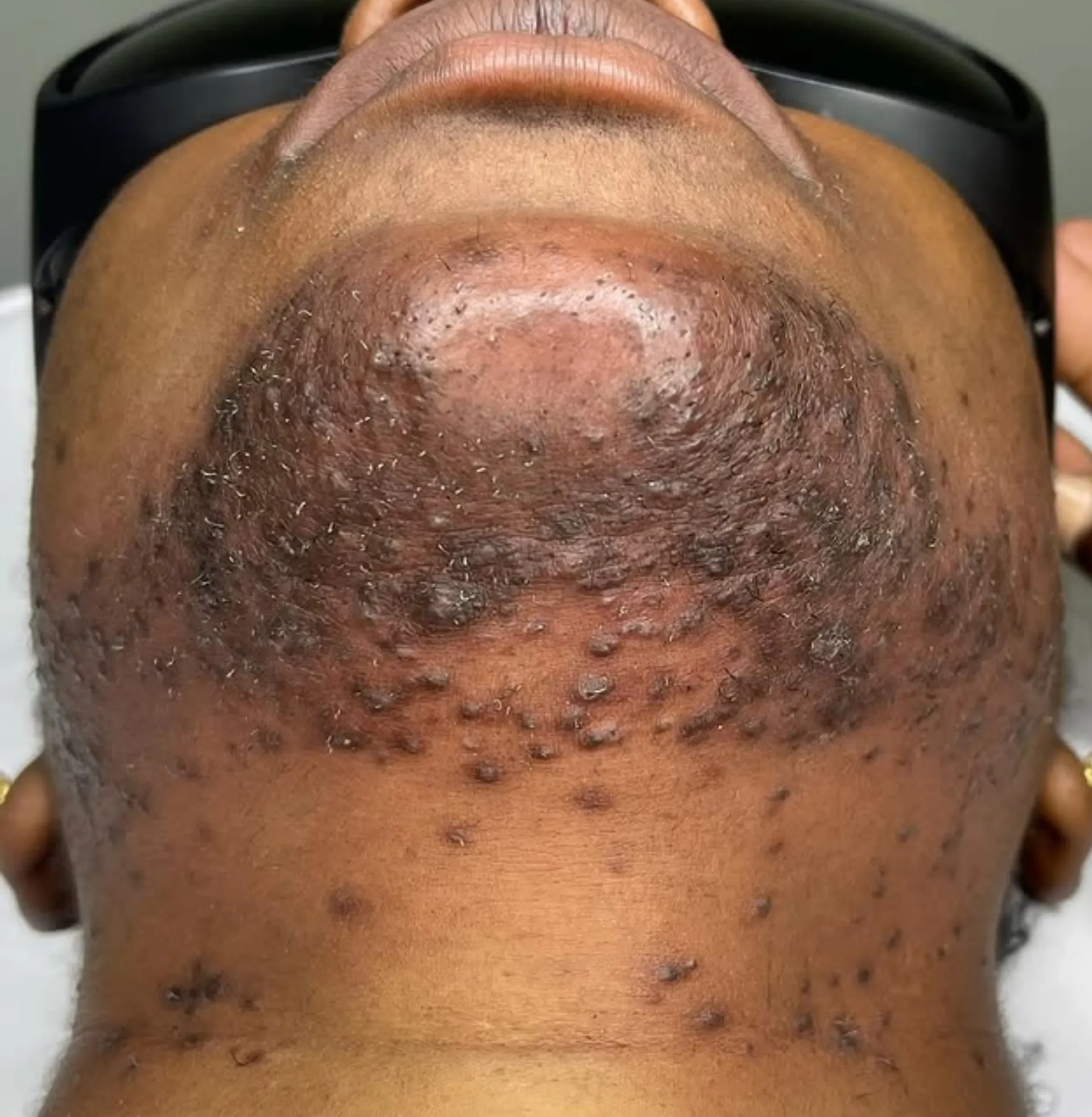
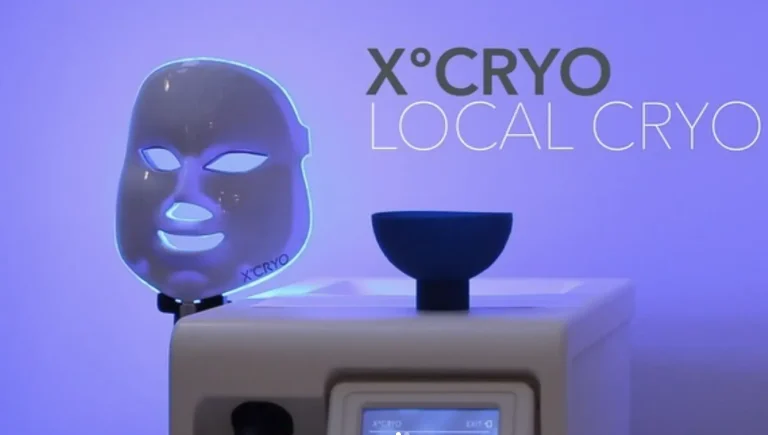
Lasers aren’t toys; they’re advanced medical devices that require the utmost care. Whether you’re working with diode lasers, solid-state lasers or more complex cosmetic systems, you need to have confidence in the technology.
A great technician understands all about:
- Laser control systems
- Pulse duration and how much energy you’re putting out
- How to cool the laser properly
- Laser safety protocols
- When and how to calibrate the equipment
And a lot of my students, especially those doing an eyebrow tattoo course, are surprised to see just how similar the attention to detail is between tattoo machines and laser treatments – both require a steady hand and a technician who respects the equipment.
Laser Safety and Training Statistics
| Training Hours | Competence Level | Estimated Error Reduction |
| Under 20 hrs | Beginner | 0–20% |
| 20–60 hrs | Moderate | 20–55% |
| 60–120 hrs | Job-ready | 55–75% |
| 120+ hrs | Advanced | 75%+ |
More structured training equals better safety — whether you’re performing laser, cosmetic tattoo, or advanced skin treatments.
Clinical Judgement and Treatment Customisation
Laser work isn’t a one-size-fits-all deal – we need to think on our feet every session, adjusting for the client, their skin type, and the machine settings we’re using. It’s that kind of real on-the-spot judgement that matters – being able to see in real time how the heat is dispersing, the pigment density, blood supply and the whole skin’s behaviour.
Knowing when treatment is safe is just part of the job – and knowing when to reschedule a client who got a bit too much sun over the weekend is just as important. At Cosmetic Tattoo Studio Melbourne Face Figurati, I spend a lot of time with clients explaining to them just how important laser safety is – and how making a plan that’s tailored to each client is the only way to get a really good result.
Communication Skills and Client Education
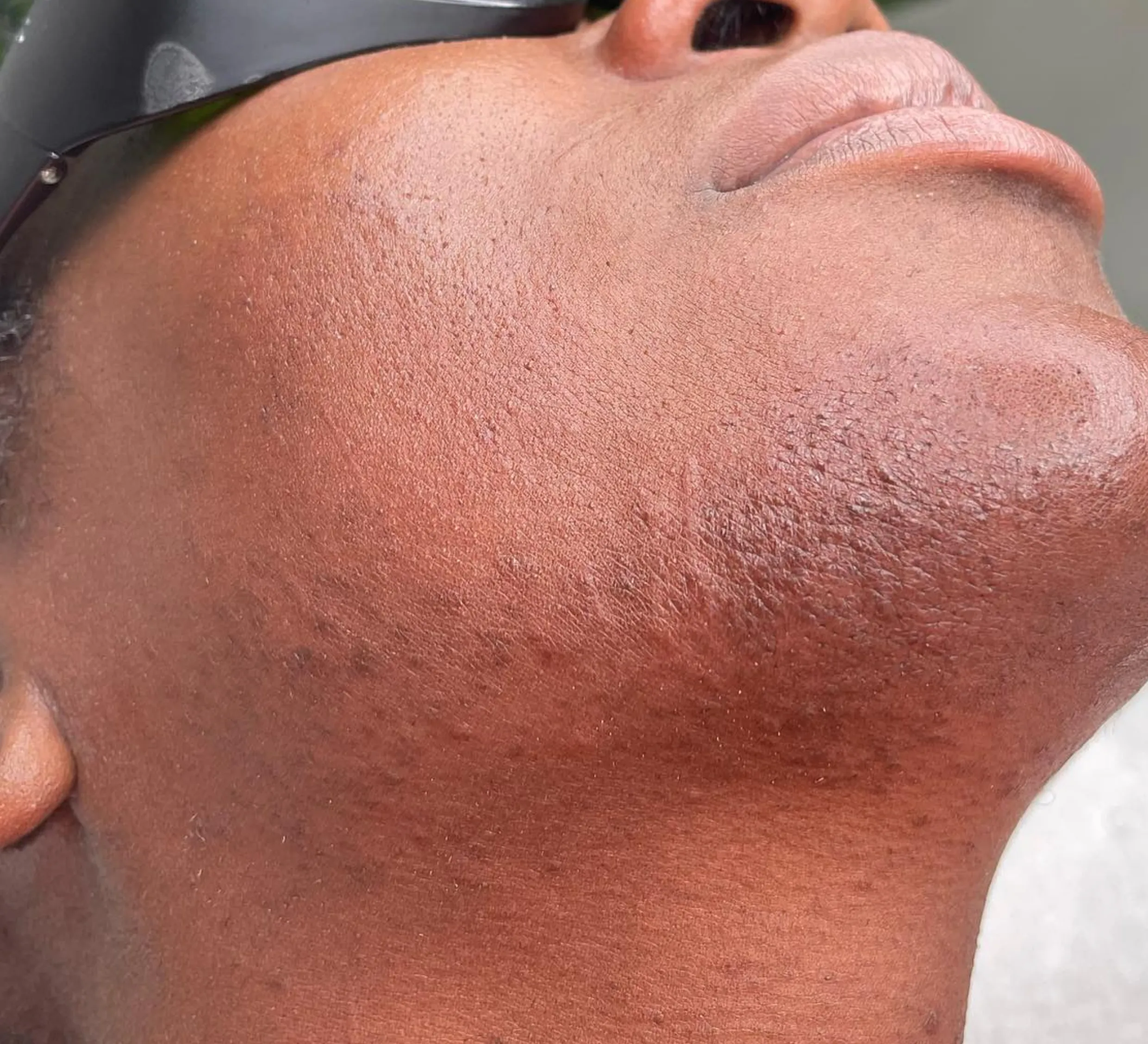
A top-notch technician doesn’t just do the treatment; they explain the whole process to the client, how the settings work, and why pre-treatment prep is so important. Clear communication builds trust and keeps them safe.
When a client comes in for eyeliner tattoos in Melbourne, they can get a bit nervous – but as soon as you sit them down and walk them through what’s going to happen, they start to relax. Same thing with a laser. A technician’s got to be able to:
- Break down the technical stuff so it makes sense
- Explain aftercare properly
- Manage the client’s expectations
- Get honest feedback from them
All of this is just as important in cosmetic tattooing as it is in laser-based treatments.
Attention to Safety Protocols and Hygiene Standards
We’ve got some tough rules in Australia for handling laser systems and for good reason – poor technique or neglecting to keep equipment in good nick can cause all sorts of problems.
A skilled technician follows proper hygiene protocols and eye protection standards, and keeps on top of regular laser maintenance and calibration. They check safety protocols and make sure the safety interlock systems are working just right. This is the same sort of commitment to safety that we follow at Cosmetic Tattoo Studio Melbourne Face Figurati, whether we’re doing a laser procedure or delivering a cosmetic tattoo service.
Ability to Recognise Contraindications Quickly
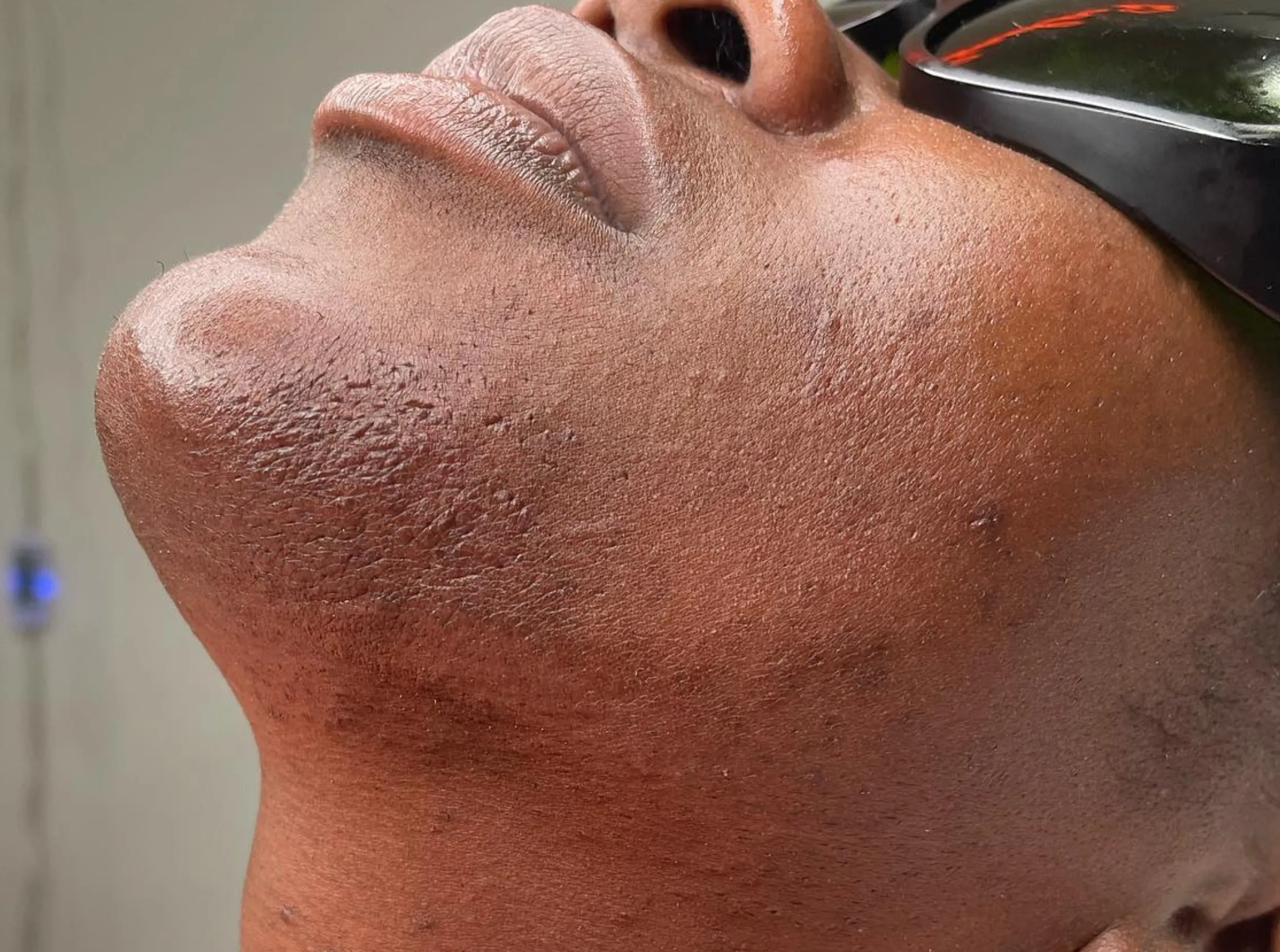
A good technician can spot when treatment is a no-go – whether it’s that sunburn, an active infection, or some medication that’s going to make things go pear-shaped. They spot contraindications fast, and we at Cosmetic Tattoo Studio Melbourne Face Figurati reinforce this over and over again with every laser hair removal course student that asks for guidance.
Calm Hands and Steady Technique
Laser work and cosmetic tattooing alike call for consistent, precise movements. Rushing or losing control can easily lead to patchiness. The smoother and more even your results will be.
A lot of my students have been pleasantly surprised to find that learning the eyebrow tattoo course has actually helped them develop greater steadiness with laser handpieces – a really handy crossover benefit!
Record-Keeping and Treatment Progress Tracking
Laser results depend heavily on documentation. Great technicians keep detailed notes and records, including.
- Treatment settings
- Any skin reactions that have occurred
- What their clients have to say about their treatment
- How long are they letting the client go between sessions
- Before and after photos so they can see how things are progressing
Having this level of detail allows for safe progression across sessions and ensures that every treatment technique is adjusted correctly.
Empathy, Patience, and Professionalism
Laser work is very intimate; this means that your clients need reassurance and a clear understanding of what to expect, and you don’t have time to rush anyone. These human skills are just as important in laser work as they are in permanent makeup or cosmetic tattoo services.
A technician who listens really well becomes a technician that clients trust – and keep coming back to see year in and year out.
Final Reflection — Is Laser Work Right for You?
Being a laser technician is all about combining technical skill with a real understanding of your clients. Whether you start with a laser hair removal course or come from a permanent makeup background, this career is a great fit for anyone who is curious, responsible, and compassionate.
If you ever need some guidance on choosing the right training or working out the difference between laser work and cosmetic tattoo, an then feel free to reach out – the doors at Cosmetic Tattoo Studio Melbourne Face Figurati are always open to new people.
FAQ
Do I need a certificate to work as a laser technician in Australia?
Most clinics will require you to have an approved certificate program, vocational school training or some kind of laser-specific safety course. Requirements can vary, but proper licensing and certification exams are really important for keeping things safe.
Are laser technicians part of the beauty or medical side of things?
They tend to work in the middle ground between beauty and clinical aesthetics, often in medical spas or cosmetic clinics, using laser equipment and light-based treatments that are compliant and safe.
Do technicians need to understand how to work with different skin types?
Absolutely – incorrectly setting the laser on darker skin tones can cause real problems – like burns or pigment changes. This is where a good foundation in skin anatomy and laser principles really comes in handy.
Do I need more in-depth technical knowledge than just the basics?
Yes – having a good understanding of how laser resonators work, device output, calibration and safe operation of the equipment really helps to minimise risks.
Is there a need for ongoing professional development in this industry?
Yes – lots of technicians will go to industry conferences, upgrade their training and pursue career advancement through additional certification programs.