How successful is cryotherapy for cancer? It’s a question that keeps coming up in clinic conversations, and I’m hearing it more often these days, particularly since cold-based therapies have started to pop up in wellness spaces like The Facial Hub right here in Brisbane. The blunt answer is this: cryotherapy can work pretty well for a certain type of cancers – mainly small, localised tumours – but it’s not a one-size-fits-all cure and should always be guided by a qualified medical team.
Let’s get into the nitty-gritty without getting caught up in hype or fear – just straight talk and honest, evidence-based facts, the way I’d explain it to you in a treatment room.
Contents
- 1 A Real Conversation About Cryotherapy In Oncology
- 2 What Happens To Tumour Tissue During Freezing
- 3 Where This Approach Delivers The Best Outcomes
- 4 Situations Where Other Treatments Are Preferred
- 5 The Difference Between Medical And Wellness Use
- 6 Benefits And Limitations You Should Know
- 7 Possible Side Effects And Safety Considerations
- 8 What Current Research And Guidelines Indicate
- 9 My Clinical Perspective From The Facial Hub
- 10 Cost And Accessibility In Australia
- 11 Final Thoughts — And A Gentle Reality Check
- 12 FAQ
A Real Conversation About Cryotherapy In Oncology
When clients ask me about cryotherapy and cancer, I can sense the mix of curiosity and apprehension – and they have every right to be cautious. This isn’t just some trendy facial tool or recovery gimmick; it’s a serious cancer treatment when used in oncology, designed to target and destroy cancer cells with precision.
In simple terms, cryotherapy (or cryosurgery for short) uses extremely cold temperatures to destroy abnormal cells and cancerous cells. It’s been used in medicine for decades – long before ice baths became social media fodder – and it’s still a recognised local treatment option in modern oncology.
What Happens To Tumour Tissue During Freezing
This is where things get pretty fascinating – and a bit technical. I’m sorry if it gets a bit too sciency, but I’ll try to keep it grounded. Cryotherapy works by applying freezing temperatures inside the body using substances like liquid nitrogen or argon gas, delivered through special cryosurgical devices.
How It All Works
- The super cold causes ice crystals to form inside cells, which causes cell injury and cell death
- A controlled freeze-thaw cycle is repeated to really maximise damage to cancerous cells
- The blood vessels feeding the tumour are disrupted, cutting off the oxygen supply
- The body clears out the damaged tissue through a natural inflammatory response
In procedures like percutaneous cryotherapy, probes are inserted under ultrasound or advanced imaging guidance to target tumours in hard-to-reach areas inside the body, kind of like getting a healthcare precision tune-up.
Where This Approach Delivers The Best Outcomes
Not all cancers respond the same way – and that’s where we need to be realistic, not overly optimistic.
Cryotherapy is at its best as a local treatment for cancers that are small and well contained, and it’s commonly used in early-stage prostate cancer, where techniques like partial prostate cryoablation or hemi-gland cryoablation can preserve surrounding tissue while just targeting the affected area.
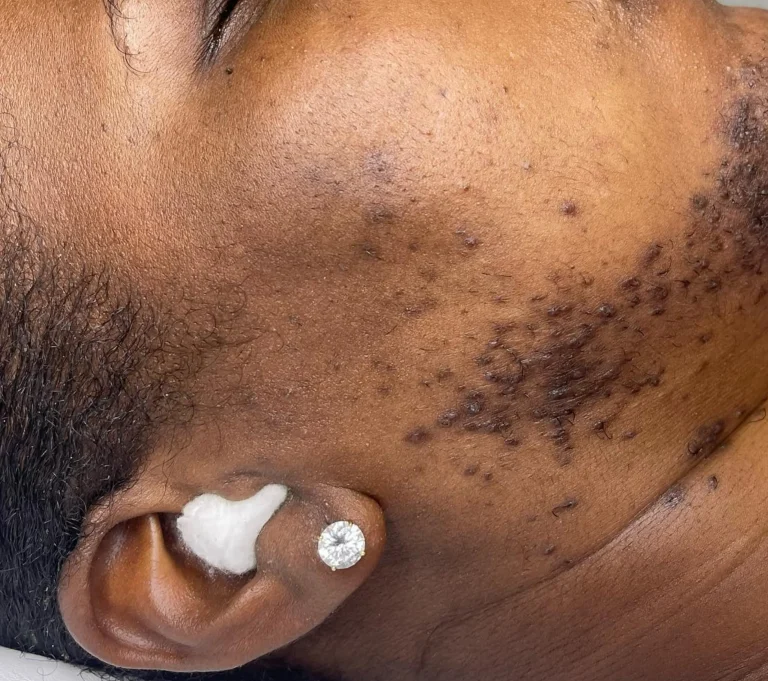
It also plays a strong role in treating skin cancer, particularly superficial lesions, where a simple application – sometimes even with a cotton swab – can destroy abnormal cells with high precision. In deeper applications, such as kidney tumours or renal cell carcinoma, percutaneous cryotherapy allows treatment via a minimally invasive, imaging-guided approach.
Clinical Success Rates (Approximate)
| Cancer Type | Success Rate / Outcome |
|---|---|
| Prostate cancer (localised) | ~80–90% tumour control in selected patients |
| Skin cancer (small) | Up to 95–99% cure rate for superficial lesions |
| Kidney tumours | ~70–90% control depending on tumour size |
| Liver/lung tumours | Variable (50–80%) depending on size & location |
These outcomes depend heavily on tumour size, location, and whether the procedure is part of a broader cancer treatment plan. The data reflect findings from oncology studies up to 2025 and may evolve.
Situations Where Other Treatments Are Preferred
As promising as this approach is, it’s really only suitable for certain cases – and getting the facts straight is crucial.
Cryotherapy is generally not recommended for big tumours or metastatic tumours – that’s when cancer has spread from one spot to somewhere else. In those cases, treatments that target the whole body or more extensive approaches like radiation therapy, or even surgical operation tend to be a better fit.
It’s also super important to remember that cryotherapy is a bit of a blunt instrument – it destroys tissue in place rather than taking it out. That difference can really make a difference depending on what kind of tumour you’ve got and where it’s located.
The Difference Between Medical And Wellness Use
Let’s clear up a common misconception.
Medical Cryotherapy (Cryosurgical Procedure)
- Performed by oncologists or specialists in interventional radiology
- May involve local anesthetic or sedation
- Uses probes guided by ultrasound scan or imaging technology
- Considered an outpatient procedure in some cases
- Includes techniques like partial prostate cryoablation or hemi-gland cryoablation
Wellness Cryotherapy (What We Offer)
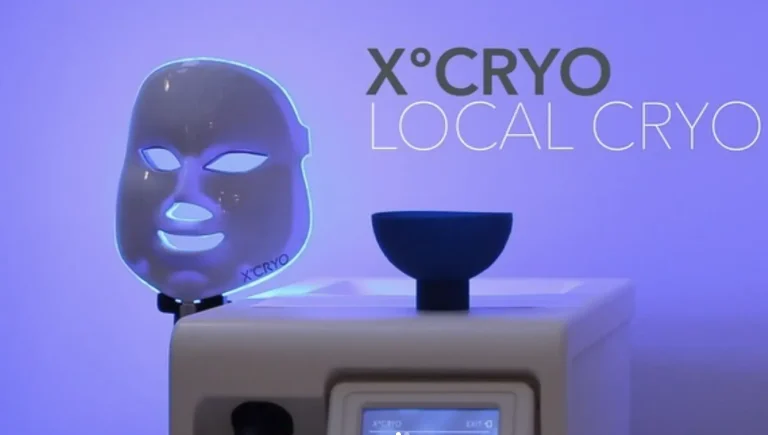
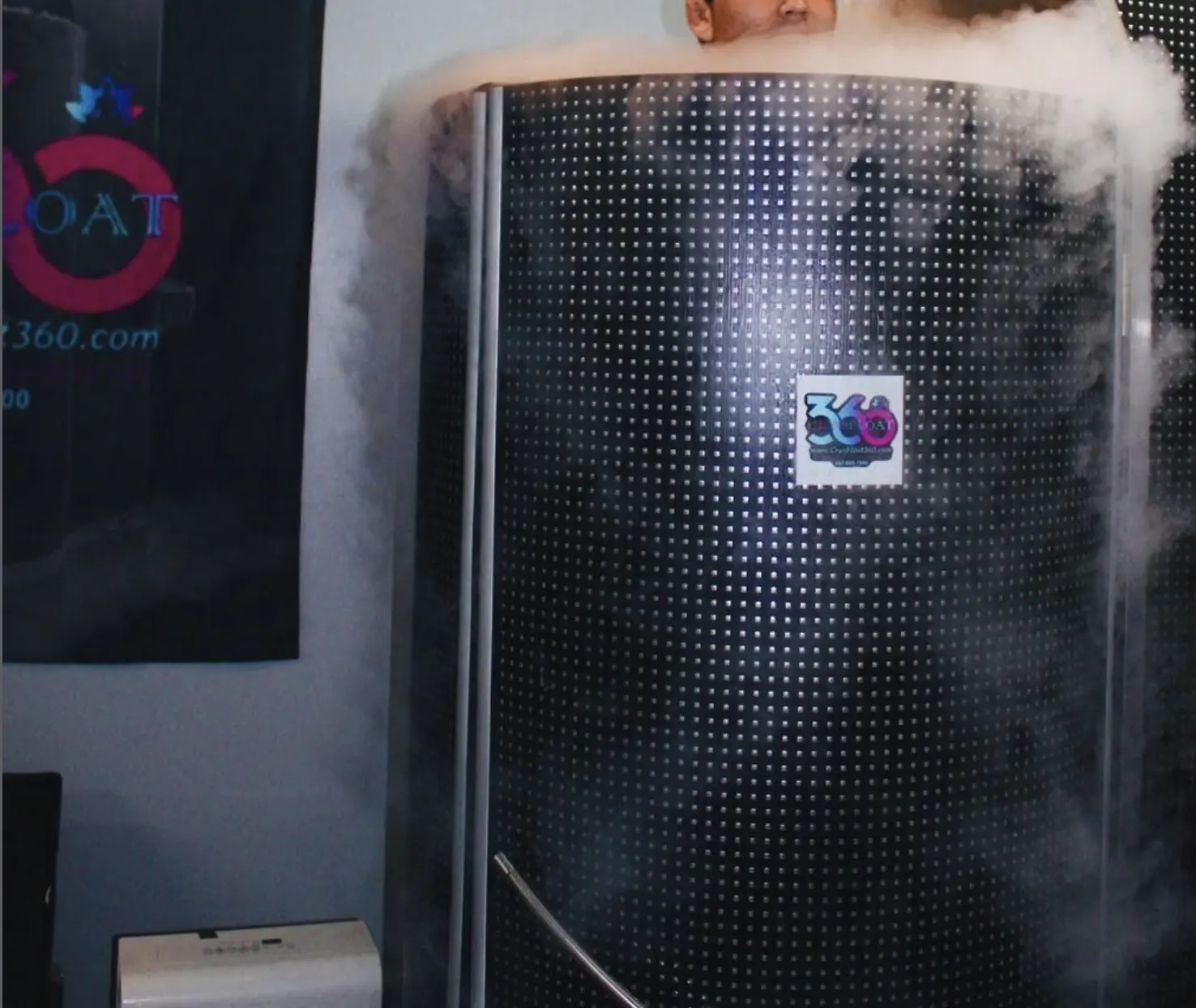
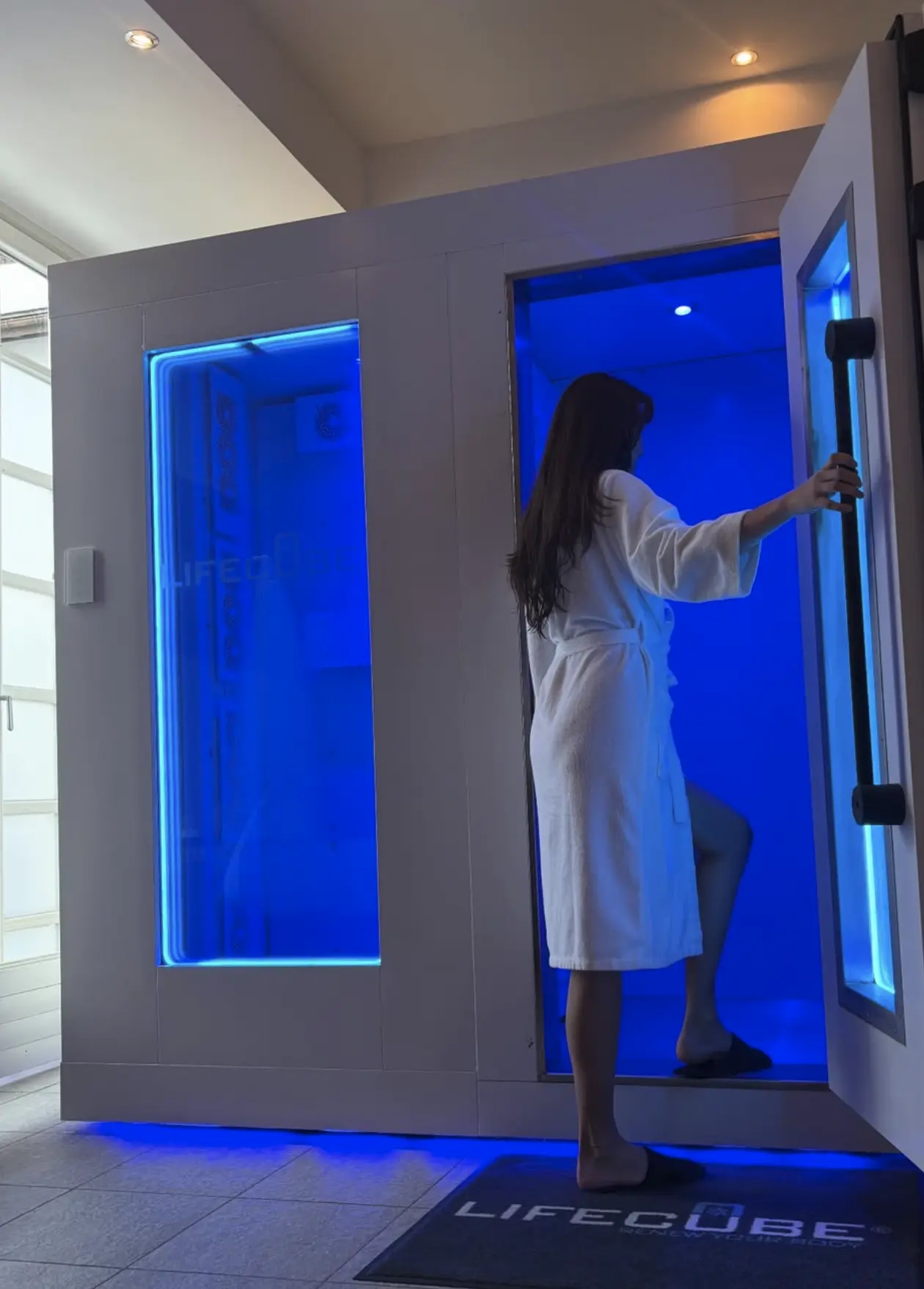
- Whole body exposure to really cold air
- About recovery, circulation, and inflammation
- Doesn’t touch cancer cells
I’ve had clients come to me saying, ‘Can this treatment just freeze my cancer away?’ I always tell it like it is :
No — our wellness cryotherapy doesn’t treat cancer.
But it might help out with recovery, circulation and mood – always with the doctor’s say so
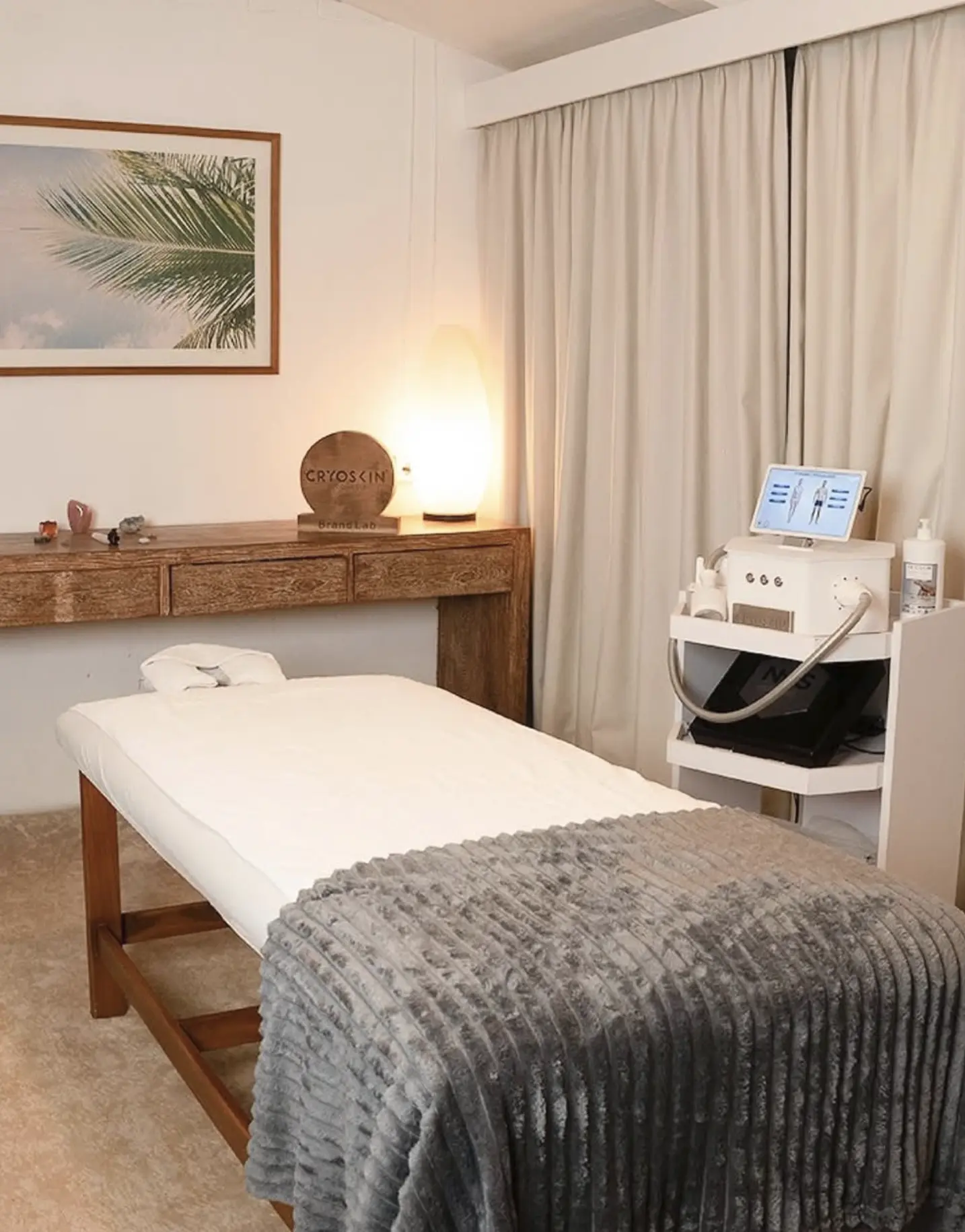
You might look for cryotherapy in Brisbane at The Facial Hub. While we do offer cold-based wellness treatments, it’s a good idea to know where the boundaries are between proper medical care and supportive therapies.
Benefits And Limitations You Should Know
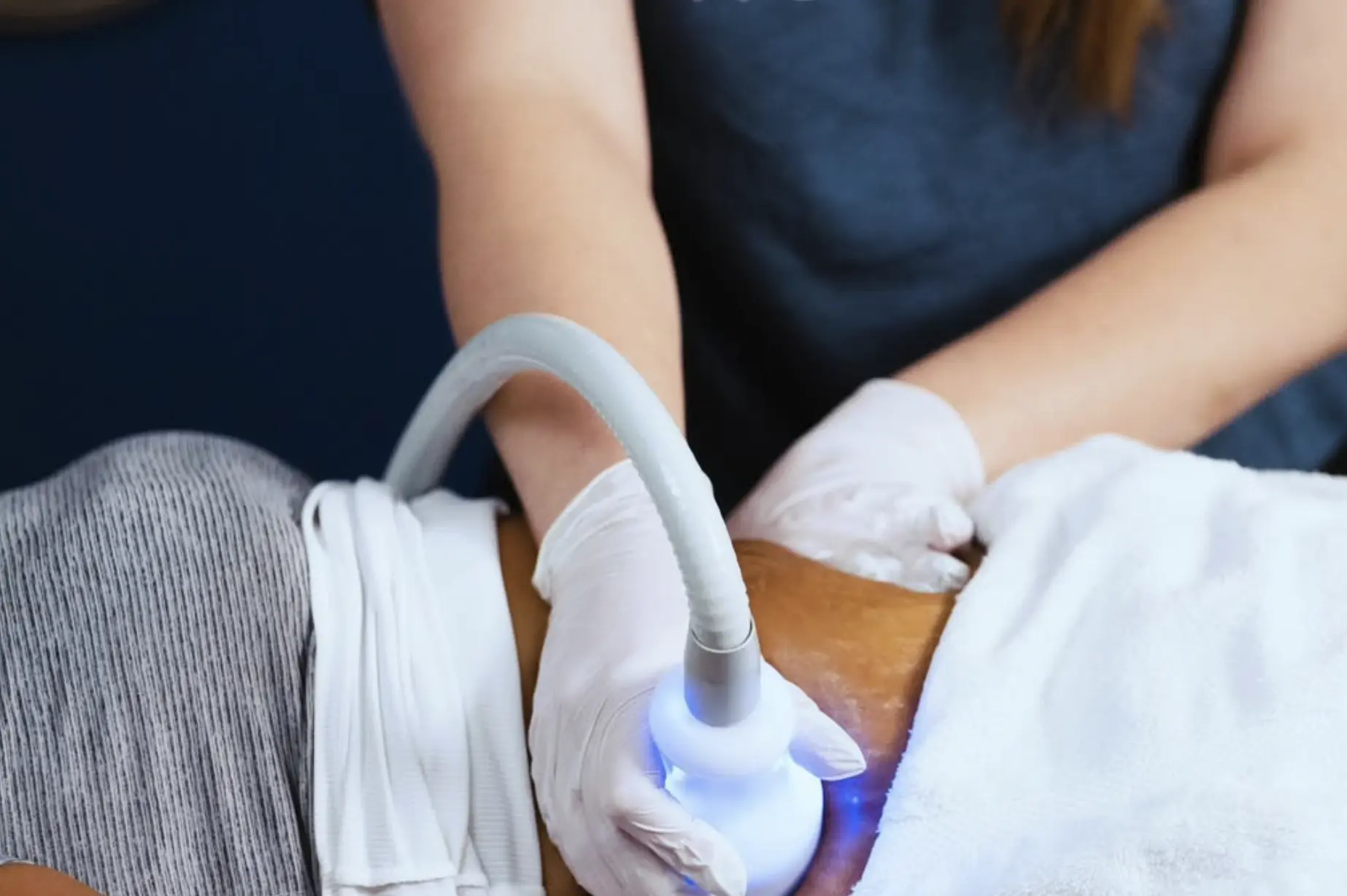
When it’s done right, cryotherapy has got some definite advantages. People often describe it as a non-invasive alternative to cutting someone open or traditional surgery. It’s also sometimes done as a keyhole surgery or with a guide needle.
Patients tend to recover a lot faster, and if they need to repeat the process, it can be done – that’s useful. From a medical perspective, it’s a useful tool – especially when you want to keep as much of the surrounding tissue as you can.
But there are also some downsides. There’s a risk of not fully destroying the cancer, especially if it’s not a clear shape or it’s hard to get rid of every bit of it. In some cases, nearby tissue can be damaged, a condition known as cryosurgical injury. How well it goes really depends on the quality of the images and the skill of the medical team.
Possible Side Effects And Safety Considerations
This isn’t just a ‘relax and feel happy’ deal – it’s medical treatment, and it has risks that you should be aware of from the start.
Most people handle the procedure just fine, but some may experience a bit of swelling or discomfort in the affected area or temporary nerve irritation. For people on blood thinners, follow-up, there’s a slightly increased risk of bleeding – we have ways to manage that.
The more cryotherapy cycles you do, the more tissue gets destroyed – so we need to keep a close eye on that and make sure you get the right follow-up care.
What Current Research And Guidelines Indicate
Cryotherapy is getting better with the imaging tech getting better – making it more precise and less complicated. Techniques like thermal ablation and targeted freezing are getting more refined in oncology – especially when it comes to getting rid of tumours.
Research is also exploring whether cryotherapy can give a cancer patient’s immune system an extra boost after treatment — an area that is still being studied. So while there’s a lot of promise with this stuff, decisions need to be made with the right team of oncology experts.
My Clinical Perspective From The Facial Hub
As a clinician in The Facial Hub in Brisbane, I see a lot of people struggling to recover after medical treatment, including cancer care. Cryotherapy pops up a lot – and I have to say, it often comes up with some pretty unrealistic expectations that people get from social media.
From what I’ve learned, it’s pretty simple:
- People want to find gentle, non-invasive solutions
- But for serious conditions, you need evidence-based medical care
I’ve worked with plenty of people post-treatment – helping them with skin healing, lymphatic flow, and getting their nervous system back on track. That’s where our work complements what the medical people are doing, not replaces it.
For anyone considering cryotherapy at The Facial Hub in Brisbane, I always make sure to tell them what to expect realistically, what will help, and what will actually fit with their overall health plan.
Cost And Accessibility In Australia
Cancer cryotherapy is usually performed in a hospital or specialist clinic.
Costs are:
- Often covered by Medicare or private health insurance to a degree
- Out pocket: AUD $1,500–$10,000+ , depending on how complicated it is
The price varies depending on how much imaging you need, what kind of tumour you have, and whether you need to repeat it.
Final Thoughts — And A Gentle Reality Check
It can be really easy to get mixed up about what’s a wellness thing and what’s a medical treatment, especially with cryotherapy, which falls into both categories.
If you’re thinking about getting cryotherapy for cancer:
- Get an oncologist to weigh in
- Ask if it’s right for your diagnosis
- Be on your guard for some pretty dodgy non-medical claims
And if you’re just curious about how cold things can help with recovery, energy, or skin health, then that’s what we do.
FAQ
Is Cryotherapy right for all cancer types?
No – it’s most effective for small, localised tumours and isn’t right for every diagnosis or stage.
How is the procedure usually done?
It usually involves inserting special probes guided by imaging tech to freeze off the targeted tissue with some super-cold substances.
Who would be a good candidate for this approach?
Suitability depends on factors such as tumour size, location, overall health, and whether a localised approach will be effective.
What’s recovery like after treatment?
Recovery is pretty quick compared to traditional surgery, though you might experience some swelling or discomfort depending on the area treated.
Can this be used with other therapies?
Yes – it’s often used as part of a more comprehensive care plan alongside other treatments.