The question “What do Koreans use against wrinkles?” pops up in my Brisbane studio at least once a week – and every time I get a smile on my face because it opens up the conversation about prevention, fine lines and wrinkles, and this amazing approach they have to keeping your skin barrier safe. Down at The Facial Hub, I usually explain that Korean skincare has become so popular because it’s not just some trend, but actually delivers results that keep your skin firm, reduce water loss, and focus on putting in the work to soothe your skin without having to go for the knockout blow every time.
Plus, I find this approach is super reassuring for clients who’ve had a rough time with intense peels and are now sensitive or have side effects. And yes, pretty much every time someone asks whether a dermaplaning course at The Facial Hub can get you those Korean-esque results (it can, but the way they do things is still the way to go).
Contents
- 1 A Philosophy Centred On Prevention
- 2 Key Ingredients Supporting Aging Skin
- 3 Layering Techniques For Gradual Improvement
- 4 Differences Between Eastern And Western Approaches
- 5 Innovations Shaping 2026 Skin Science
- 6 Environmental Impact On Wrinkle Formation
- 7 How I Guide Clients In Adopting These Methods
- 8 Final Reflection
- 9 FAQ
A Philosophy Centred On Prevention
When Korean dermatologists talk about wrinkles, they say it’s a mix of UV damage, how you live your life and all those little facial expressions you make every day – especially around your eyes and between your eyebrows. So Korean patients tend to get ahead of the game and start with things like hydration, the best SPF they can get, and making sure their skin barrier is doing its job before going for stronger stuff to fight wrinkles.
When I see clients with fine lines caused by Brisbane’s harsh sun, this Korean way of thinking feels like a breath of fresh air: just hydrate, nourish, and do your best to stop those collagen-destroying enzymes from getting to work. Sometimes I suggest our IPL rejuvenation treatment at The Facial Hub as a nice non-invasive option that fits right in with what the Koreans are all about.
For Koreans, it’s not about going to extremes to get rid of wrinkles – it’s about slowing down the damage before it gets too bad, so you don’t end up with deep lines on your nose, forehead or between your eyebrows.
Key Ingredients Supporting Aging Skin
Korean skincare has a knack for innovating with ingredients – from peptides to actives that mimic growth factors – but its unique twist is that this innovation always comes in gentle, non-irritating mixes that are worlds apart from the harsh Western products that tend to causeget circulation going and boost skin repair so many side effects. This approach helps keep aging skin healthy and resilient.
Retinol (Encapsulated Using Advanced Capsule Technology)
Retinol‘s a bit of a tricky business in Korea, often carefully dosed to minimise irritation by being wrapped in a protective shield. Then there’s the advanced technology that lets it slowly release over a few hours, which is super-good at fending off the signs of aging without ever threatening the skin barrier.
Peptides for Skin Firmness
Peptide complexes are the key to collagen that’ll start to build up, making those fine lines a whole lot less noticeable. I’ve even found that pairing a peptide-rich routine with an infrared sauna session really helps get circulation going and boost skin repair.
Adenosine for Fine Lines
Adenosine‘s been shown to be pretty effective at addressing periorbital wrinkles and generally smoothing the area. Korean dermatologists are pretty keen on how well it works on areas that get a bit worn out from all the facial expressions we put ’em through.
Niacinamide and Hyaluronic Acid
Niacinamide does a great job of sorting out pigment issues and keeping skin resilient. At the same time, hyaluronic acid provides long-lasting hydration that plumps up those fine lines and wrinkles in a very visible way.
Centella Asiatica and Aloe Barbadensis
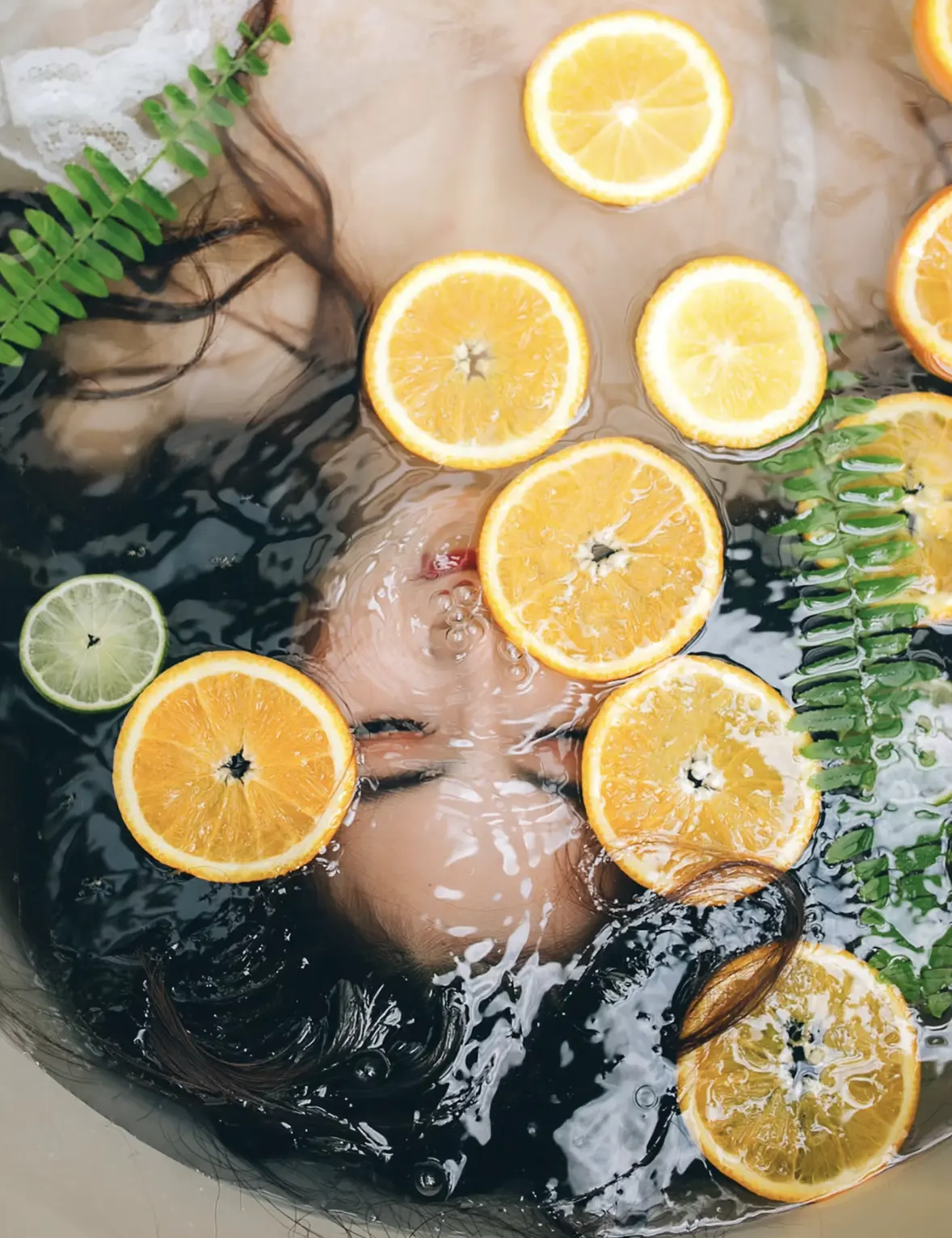
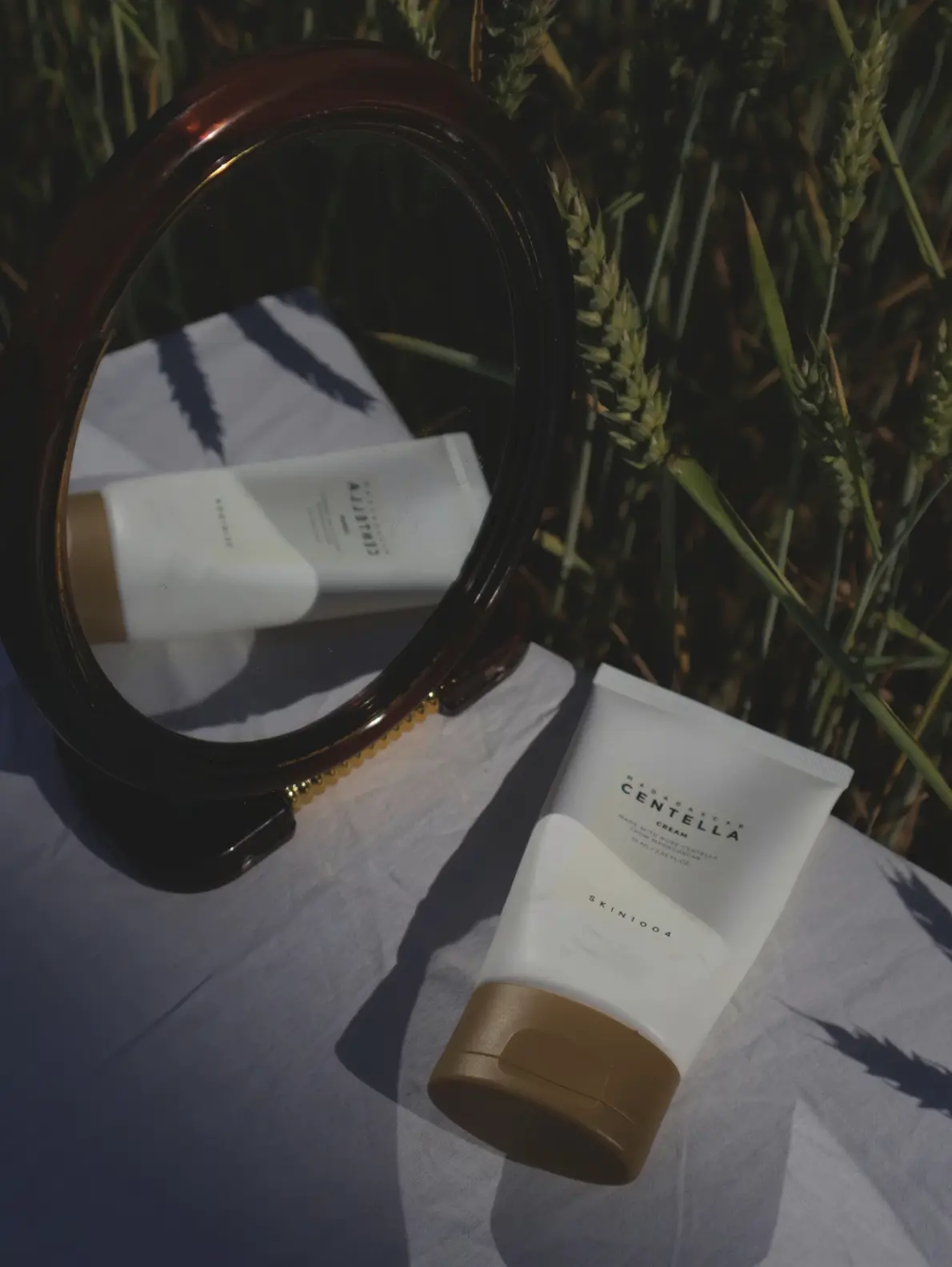
Centella and aloe gel work together to reduce inflammation and help with the healing process – aloe, in particular, is awesome at keeping matrix metalloproteinase activity in check, which helps slow down that pesky collagen loss.
Micro Needle Patches and Sheet Masks
Micro needle patches are all the rage for the under-eye area, where you can pop in a dose of peptides for an extra bit of plumpness. Meanwhile, sheet masks deliver a deep dose of hydration and anti-aging goodness that really helps give skin a much-needed boost in elasticity.
Layering Techniques For Gradual Improvement
Koreans have a way with their skincare – they don’t go all out on their skin – they layer it up on purpose. This keeps that protective layer on the skin intact, which means less irritation and basically means even the most potent stuff can soak in without freaking out the skin.
H3: Step 1 — Gentle Cleanser
We use gentle cleansers that don’t strip away all the moisture. That way, the skin is set up for the good stuff that comes next.
H3: Step 2 — Hydrating Toner or Essence
Using an essence with some nice fermented bits, peptides, and soothing botanicals basically gives your skin a bit of a hug and makes it ready for whatever comes next.
H3: Step 3 — Serums With Targeted Actives
This is where we get into the good stuff: encapsulated retinol, peptido-complexes, and growth-factor-mimicking actives. Sometimes, if you’re really struggling, we also toss in some IPL hair removal at The Facial Hub as part of a broader plan to get your skin in top nick.
H3: Step 4 — Moisturiser to Seal the Barrier
And then you’ve got your moisturiser, which is just to seal it all in at this point, so we use emollients like shea butter, aloe gel and ceramides to make sure the skin doesn’t get all dry and irritated-looking.
H3: Step 5 — Sunscreen (SPF 50+)
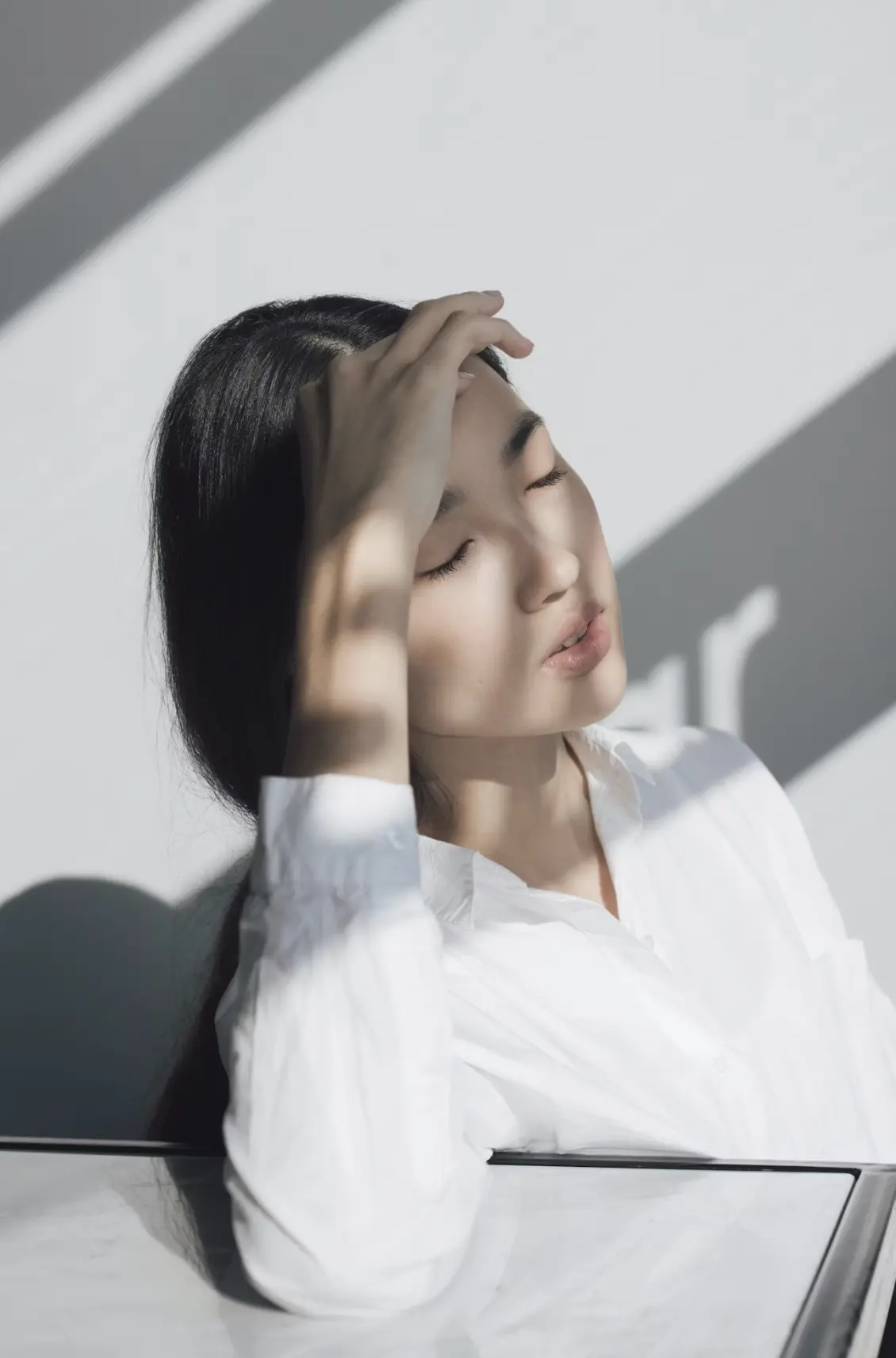
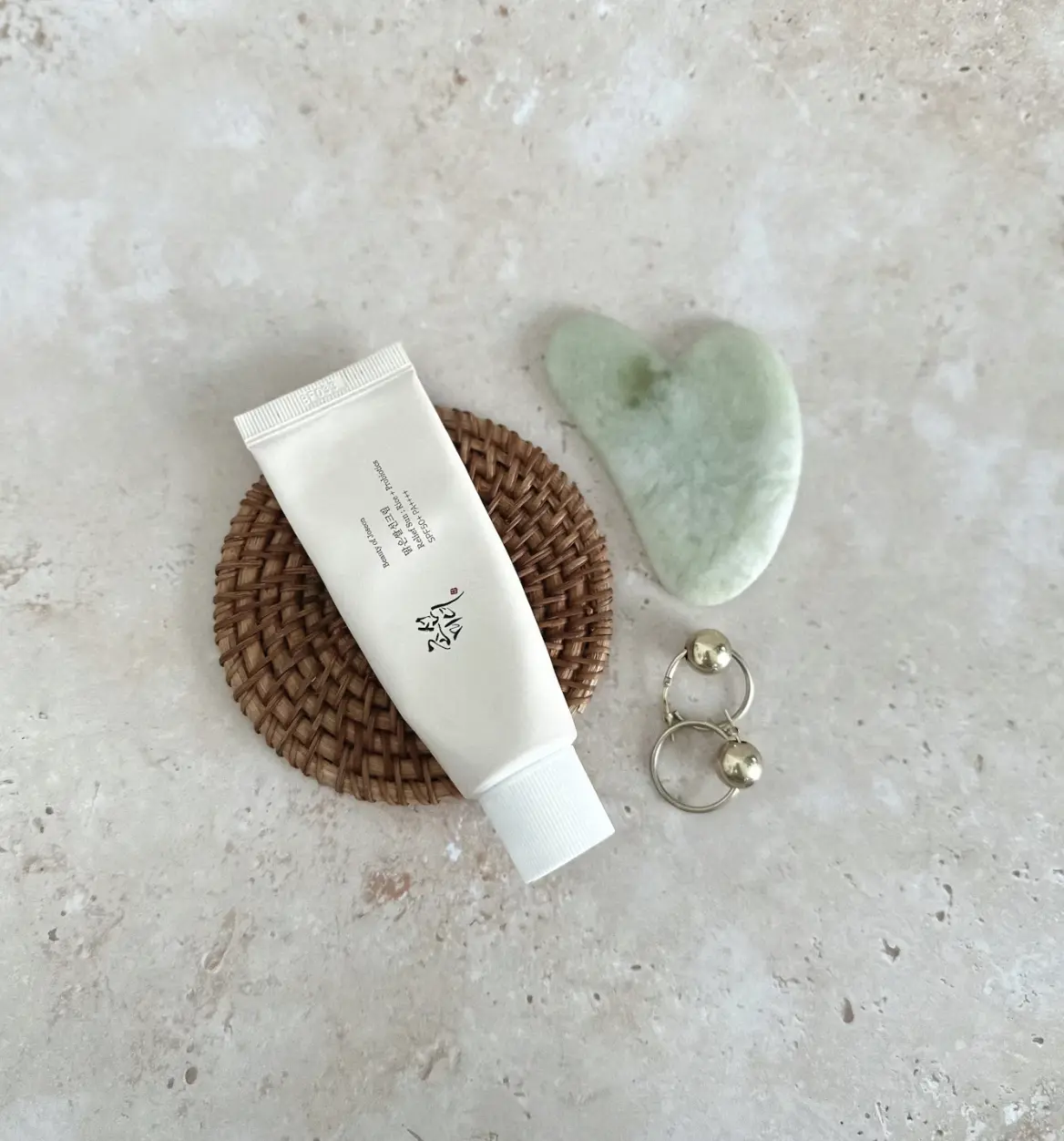
Now, this is a no-brainer: daily SPF 50+ application is a necessity. And Koreans do it so well – they make formulas that feel like nothing on your skin – so much so that people actually stick to using it day in – day out.
Occasionally, I tell clients that if they’ve got a wedding or a trip coming up, a quick spray tan at The Facial Hub can give them that radiant glow without the damage that would just make their fine lines look worse.
Differences Between Eastern And Western Approaches
| Focus Area | Korean Approach | Western Approach | Benefit to Skin |
|---|---|---|---|
| Exfoliation | Low-strength acids | Higher-strength acids | Less irritation for aging skin |
| Retinol | Encapsulated | Prescription-strength | Fewer side effects |
| Hydration | Sheet masks, essences | Serums only | Enhanced plumping |
| Actives | Peptide complexes | Retinol-heavy routines | Better tolerance |
| Sunscreen | SPF 50+ daily | Moderate to inconsistent | Reduced wrinkle formation |
Innovations Shaping 2026 Skin Science
South Korea is again out in front when it comes to skincare innovation, & recent reports from 2026 are making some pretty interesting points:
- Electrode Pin Fractional Radiofrequency (FRF): Multipolar FRF is doing a great job of improving wrinkle patterns – especially those around the periorbital wrinkle zone, where fine lines can really start to show.
- Mood Threads: These innovative threads stimulate collagen without the downtime and harsher side effects that often come with other treatments.
- Micro Needle Patch Advances: Longer micro-cones are allowing for a more in-depth delivery of peptides and retinol into fine lines, which is a big deal for people looking for an effective anti-aging solution.
- Skin Replica Studies: Korean labs are using in-vitro skin replica testing to refine the anti-aging properties of their products & measure their effectiveness for wrinkle reduction, which is a great way to really get under the skin of how a product works.
All of this aligns with what I see in my Brisbane clinic, where gentle, progressive improvements consistently outperform more aggressive treatments.
Environmental Impact On Wrinkle Formation
The skin in Brisbane ages differently from the skin in Korea due to humidity, sun exposure, and seasonal patterns, which shape how our barrier behaves.
The Impact of Brisbane’s Climate
High levels of UV irradiation are accelerating the formation of deeper wrinkle patterns, especially around the forehead and glabellar zones.
Why We See Different Effects in Cooler Climates
Drier seasons in Brisbane mean we need to use more moisturiser, do more sheet masks, and layer on protection to keep moisture loss at bay.
Understanding these differences is vital when it comes to adapting routines to real-world skin behaviour – not just following the latest trends.
How I Guide Clients In Adopting These Methods
When I’m helping clients to incorporate the Korean approach into their routines, I stress the importance of:
- Getting Your Barrier Right Barrier-first methods reduce side effects and improve tolerance to active ingredients, which is great news for people just starting to get into skincare.
- Taking It One Step At A Time It’s better to choose one active at a time – this way we can avoid overwhelming the skin with too many new products or treatments at once.
- Nourishing the Skin From The Inside Out Korean dietary habits like bone broth, fermented veggies & Omega-3 fatty acids help support the skin’s internal structure and keep it looking firmer & more radiant.
- Protecting Your Skin Every Day SPF 50+ is essential for every wrinkle area, including the glabellar lines and periorbital region – we can’t stress the importance of this enough.
Final Reflection
Korean wrinkle care isn’t just about chasing after youth – it’s about nurturing the skin barrier, supporting aging skin gently, and choosing science-backed steps that will give you long-term skin health. For clients who love putting together an integrated routine, I sometimes recommend pairing at-home care with treatments like IPL rejuvenation at The Facial Hub or relaxing therapies like the infrared sauna to improve well-being and circulation.
FAQ
Are sheet masks useful for maintaining moisture levels?
Yes – they can deliver hydration quickly and really help soften areas that are prone to dehydration lines.
How do micro-needle patches compare to traditional serums?
They deposit actives closer to the targeted area – which makes them perfect for delicate regions.
Do Korean dermatology clinics use collagen supplements?
Yes – many of them recommend them, especially for clients who are looking to support elasticity from within.
What makes Korean RF devices different?
Technologies like multipolar FRF and electrode pin fractional radiofrequency are all about precision and comfort – they’re designed to give you gentle skin refinement.
How do lifestyle habits influence results?
Korean routines often integrate dietary choices, stress management & daily sun care – all of which can dramatically affect long-term skin resilience.