When someone asks me “what is the correct order of serums“, I get a little buzz because that one simple question suddenly makes sense of your whole skincare routine – especially when you’re trying to sort out skin issues like fine lines, dark spots, or dryness.
Living in a city like Brisbane means you’ve got to contend with serious humidity, scorching sun, hormonal ups and downs and the stress of daily life – all of which can make your skin behave in pretty unpredictable ways. And because of all that, how you apply your serums can be really important – not because you have to follow some rigid rule book, but because it helps keep your skin barrier from getting all flustered, keeps it nice and hydrated and lets all those active ingredients actually do their job. And if you ever need a hand, or just want some expert advice, you’re always welcome to pop by The Facial Hub for a closer look at your routine.
Contents
- 1 Why This Step Matters In Everyday Skincare
- 2 Prep Your Skin Before Anything Else
- 3 How To Arrange Your Products For Better Results
- 4 Morning Steps That Support Your Skin
- 5 Evening Care That Repairs and Renews
- 6 A Helpful Guide For Different Skin Needs
- 7 How Many Layers Are Actually Necessary?
- 8 Clearing Up Confusion Around Active Ingredients
- 9 Understanding Brisbane Skin Behaviours
- 10 What’s Trending In 2026 Skincare
- 11 A Gentle Closing Thought
- 12 FAQ
- 12.1 Why does it feel like some of my products are just not sinking in?
- 12.2 Can I apply my daytime products in any order I like?
- 12.3 How can I avoid irritation when using stronger ingredients?
- 12.4 Should my evening routine be different if I’m using multiple treatments?
- 12.5 What can I do about textures that keep pilling or clumping?
Why This Step Matters In Everyday Skincare
Serums are the powerhouse products in your skincare routine – they’re the ones with the active ingredients and the tiny molecules that really make a difference. Many of my clients only discover this after a facial in Brisbane; then they can really feel the difference that doing it right makes. But if those ingredients are just going to sit on the surface of your skin, they won’t do much good.
With the heat and humidity here in Brisbane, it’s best to apply the lighter, gel-based serums first – they absorb really quickly. Then you can move on to richer textures, such as oils or retinoid serums, later. When you get your skincare routine just right, it all starts to feel pretty intuitive. But if you’re not getting it right, you might end up diluting your active treatments or irritating your skin – something I see time and time again when clients come to The Facial Hub for microneedling.
Prep Your Skin Before Anything Else
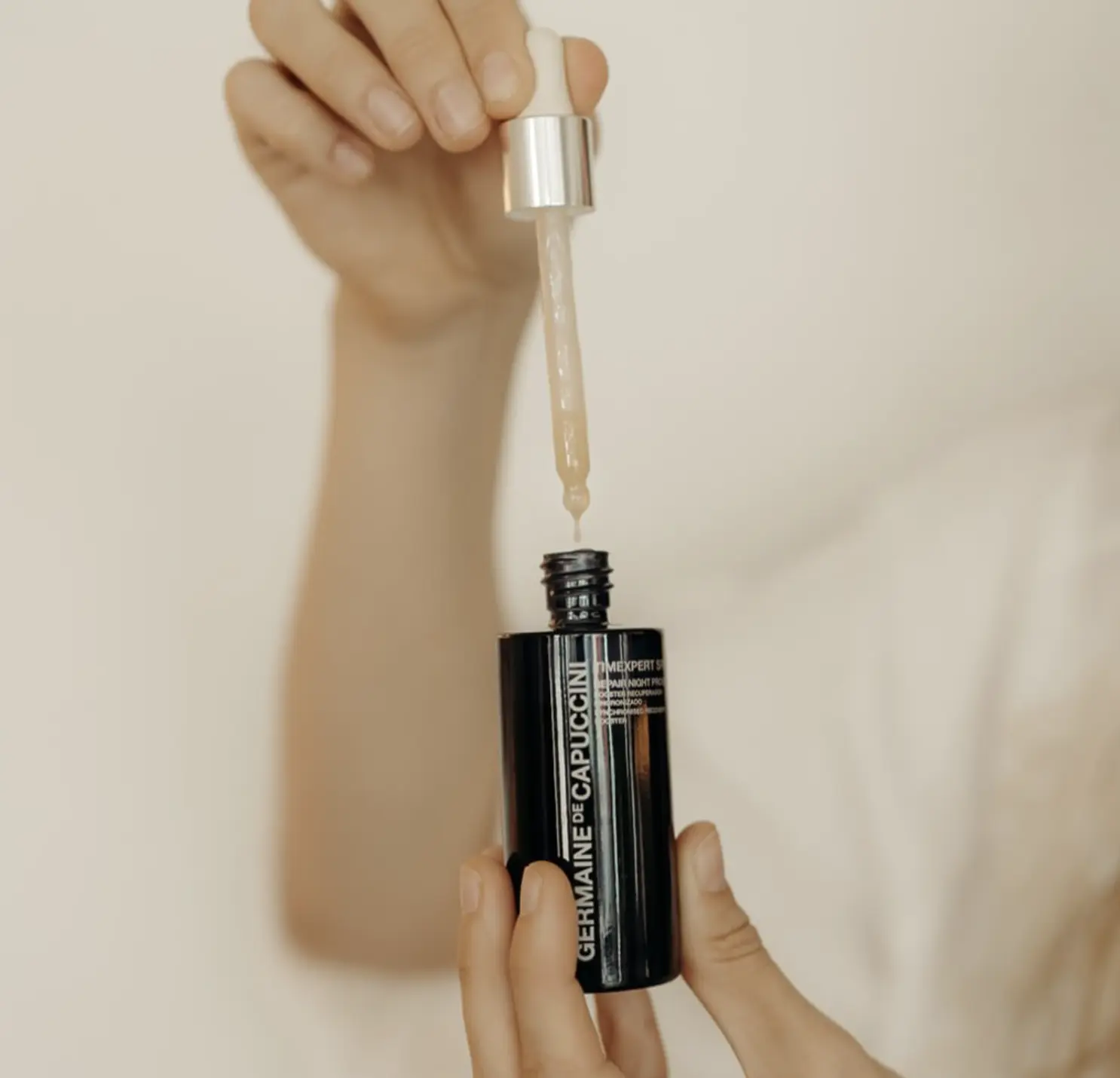
Your serums can only work their magic if you’ve given your skin a good foundation to work from. I’ve seen loads of clients whose routines are all about the active ingredients, but who’ve forgotten to prep their skin properly – especially after sunscreen and makeup. A gentle oil- or balm-based cleanser, followed by a gel cleanser, is a good place to start.
A good water-based cleanser that’s not too stripping, not too foamy, is a must – it helps keep that skin barrier healthy and in good nick. This is especially important if you’re dealing with dryness, clogged pores or sensitivity – all of which are pretty common here in Brisbane, especially when the aircon is on. When people come to The Facial Hub for a full skin analysis, this is usually the first thing we look at.
How To Arrange Your Products For Better Results
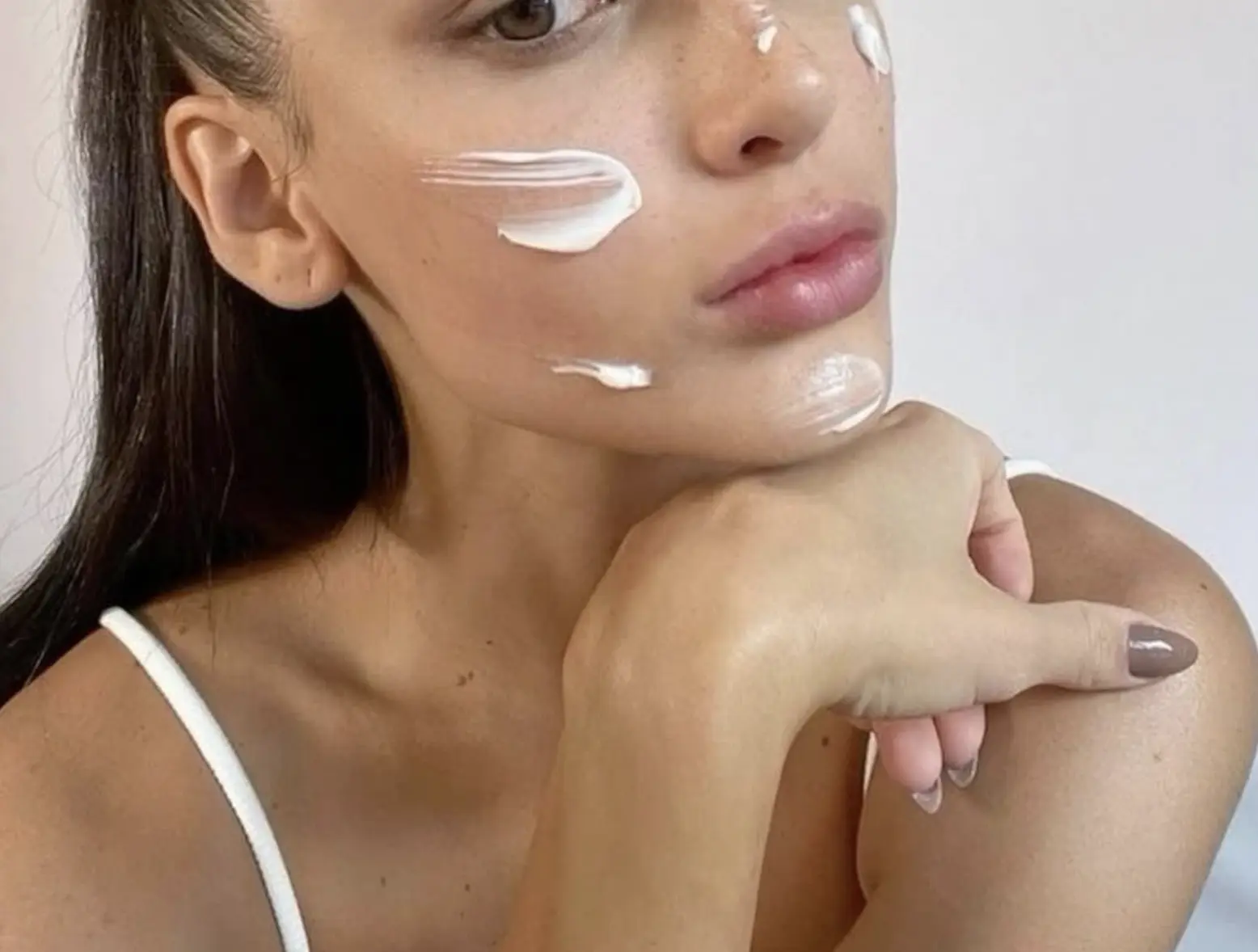
This is a trick that always works. Apply your serums in order from thinnest to thickest – it’s the backbone of good skincare layering. Thinner serums absorb in a jiffy, leaving room for richer, more emollient serums to soak in.
If you’re still figuring it out, try this: place two drops on your wrist and hold your hand up – the one that gets absorbed in the quickest goes first. We use this approach for clients who come in regularly for facials near me. Surprisingly, it can change the whole way you do your skincare routine.
In practice:
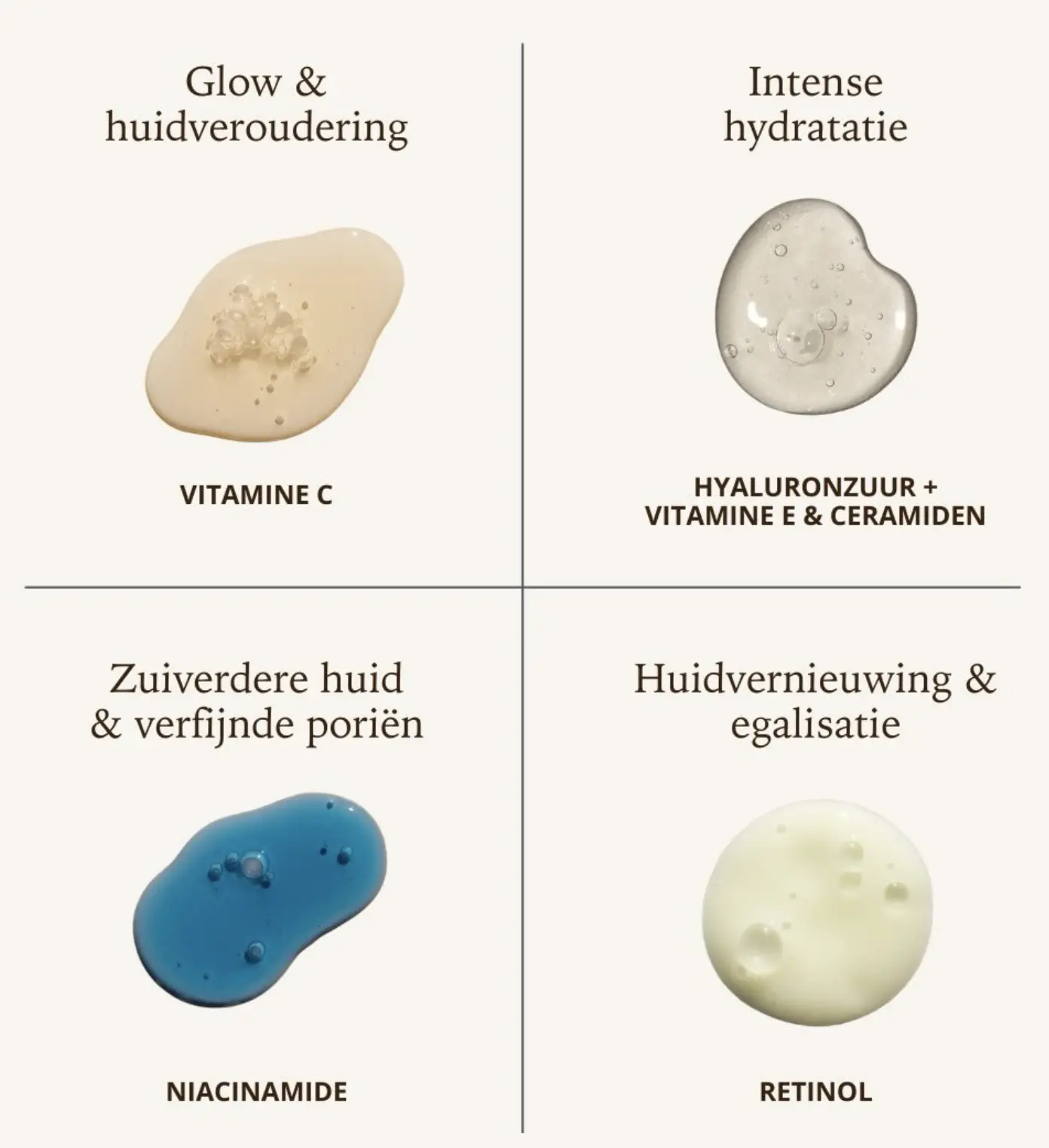
- Lightweight serums (niacinamide, hydrating blends – these are the ones that tend to disappear quickly)
- Gel-like serums (hyaluronic acid, peptides – these hang around a bit longer)
- Targeted treatments (retinoids, blemish treatment, alpha-hydroxy acids, beta-hydroxy acids, poly-hydroxy acids – these are like the heavy lifting)
- Oils or occlusive textures (if you’ve got the right skin type for it)
This approach is a game-changer – it helps prevent pilling, makes absorption a whole lot better, and means your treatment products can do their thing properly.
Morning Steps That Support Your Skin
Morning skincare‘s all about giving your skin a bit of a leg up – brightening, defending, and strengthening, especially in a place like Brisbane where the sun really knows how to hammer you down. I’ve had loads of clients come in for facials in Brisbane and realise that daytime skincare is a whole different ball game.
A simple morning flow looks like this:
- Wash your face with a gentle cleanser – we don’t want to strip your skin of everything just yet
- Hit your skin with a hydrating serum – think of this as a drink of water for your skin
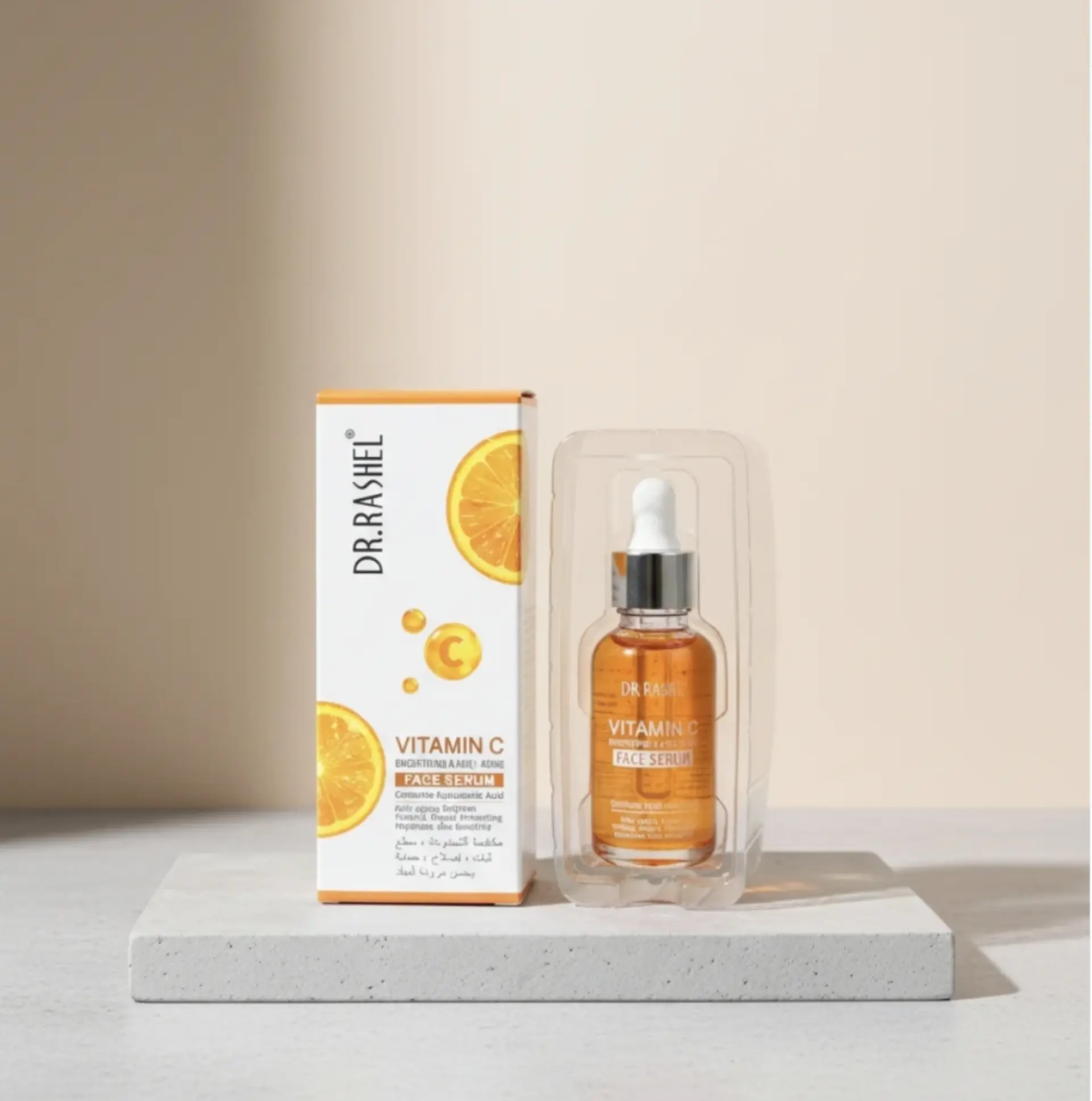
- Brighten things up with an antioxidant serum (vitamin C’s a classic, but we’ve got others too)
- Pop in an eye serum or cream if you’re worried about dark circles or puffiness
Your morning skincare routine is like putting on a bit of armour for the day ahead. With Brisbane’s UV index as high as it is, it’s a bit of a war zone out there, and you need to do all you can to prevent damage. People who come in for facials near me often find that prevention’s a big part of the deal.
And funnily enough, a 2025 study confirmed that getting some daily antioxidants in your skincare can improve your skin tone by up to 18% in 12 weeks – and that’s particularly true in places like Brisbane where the sun’s not exactly being kind.
Evening Care That Repairs and Renews
This is the one time of day when your skincare routine can really take off, with no sunscreen, sweat, or heat to get in the way. So let your active ingredients do their thing, unimpeded, and let those retinoids and chemical exfoliants do their thing with maximum efficiency.
If you want to get the most out of your evening routine, you could try:
- A hydrating base serum
- Exfoliating acids (AHA/BHA/PHA) on rotation
- A retinoid serum for a smoother texture
- Spot treatment if needed
- A night cream to seal hydration
Or if your skin barrier is looking a bit rough – tight, red, or reactive, I’ve seen that happen a lot after people get a bit carried away with exfoliants, whether they’re physical or chemical – then try layering on some hydration before and after your retinoid. Many people have picked up on this trick by accident while recovering from a microneedling session at The Facial Hub.
A Helpful Guide For Different Skin Needs
| Skin Concern | Morning Focus | Evening Focus | Notes |
|---|---|---|---|
| Oily / Congested | Niacinamide → HA → Vitamin C | BHA → HA → Retinoid Serum | Humidity boosts oil flow; avoid aggressive exfoliation. |
| Dry / Dehydrated | HA → Peptides → Vitamin C | HA → Ceramides → Retinoid (low) | Air-conditioning increases moisture loss. |
| Sensitive / Reactive | Peptides → HA | HA → Barrier serum → Gentle retinoid | Avoid harsh exfoliants; patch test. |
| Pigmentation / Sun Exposure | Vitamin C → HA | AHA → Niacinamide → Retinoid | Sunscreen is non-negotiable. |
| Visible Ageing | Peptides → Vitamin C → HA | Retinoid → Peptides → HA | Peptide serums saw a 40% increase in global demand (2026 data). |
Clients who visit The Facial Hub often take home a personalised version of this table based on their lifestyle, climate exposure, and sensitivity level.
How Many Layers Are Actually Necessary?
Let’s be honest, everything the ‘influencers’ are telling you about a 7-step skincare routine isn’t entirely true. Most skin types prefer a simple, two- or three-product approach. I’ve even had clients show up for a facial in Brisbane with a 12-step routine; no wonder their skin feels frazzled.
Too many layers can cause some serious problems:
- Pilling up on the surface of your skin
- Reducing the absorption of the good stuff
- Plain irritating you
That’s why dermal therapists – or skincare therapists for that matter – always stress simplicity, especially when working with strong actives like retinoids or benzoyl peroxide.
Clearing Up Confusion Around Active Ingredients
Time to set the record straight on the common myths I hear from clients – even some who come in for microneedling at The Facial Hub.
- Vitamin C & Niacinamide: don’t worry, modern formulas have addressed this.
- Retinoids & AHAs/BHAs: use them on separate nights to avoid any nasty irritation.
- Peptides & Acids: they can be used together, but be careful with sensitive skin, as they may cause irritation.
- Hyaluronic Acid & Everything: The good news is that it appears to work well with most other products.
- Benzoyl Peroxide & Retinoids: keep these separate; otherwise, you may experience dry skin.
Your skincare routine should feel like a gentle whisper, not a chemistry lab nightmare.
Understanding Brisbane Skin Behaviours
Living in Brisbane, and the tropical climate that comes with it, brings its own set of challenges – the humidity, the sweat, the UV, the aircon… it all plays havoc. Even if your skin looks hydrated on the surface, it can still be dehydrated beneath the surface. That’s why many of our clients come in convinced their serums are no longer working.
When they visit The Facial Hub, we strip it back to basics, adjust product textures, sometimes add LED therapy or sheet masks, and always make sure to repair your skin’s barrier.
One client who had really sensitised their skin from mixing too many chemical exfoliants was amazed to see her redness drop by 40% in just six weeks when she sorted out her layering – she even booked another facial in Brisbane to keep the results going.
What’s Trending In 2026 Skincare
At The Facial Hub, we see a few trends playing out every day:
- Peptide serums – 40% up in global sales for the pure reason that they do a fantastic job of supporting firmness.
- Antioxidant formulations are up 25% – and that’s especially important if you spend a lot of time out in the sun.
- Barrier-focused skincare is gaining traction, especially after people overuse some of the more active products.
- Routines are getting shorter; people are cutting back from 7-10 steps to 4-5, or even fewer.
Skin is telling us it wants simplicity, not excess.
A Gentle Closing Thought
If your bathroom shelf is starting to look overwhelming, I hope this brief guide has given you some relief and shown you that you really don’t need a ton of products to get the support you need for your skin. Your routine doesn’t have to be complicated – just thoughtful.
Ever wonder whether your current products are actually addressing your skin concerns? Pop on over to The Facial Hub any time you like – and if you’ve been thinking about giving microneedling a try at The Facial Hub, it actually pairs really well with a simpler routine.
FAQ
Why does it feel like some of my products are just not sinking in?
This usually happens when you’re using textures in the wrong order or you’ve applied too many layers at once. Apply lighter products first so your skin can absorb them more easily.
Can I apply my daytime products in any order I like?
Not really – for daytime you should prioritise hydration, antioxidants and eye care before moisturiser and sunscreen – that way you’re giving your skin a bit of a defence against the strong UV around here in Brisbane.
How can I avoid irritation when using stronger ingredients?
Introduce actives slowly, alternate nights when using exfoliants, and if your skin feels sensitive, provide a bit of extra hydration to help it out.
Should my evening routine be different if I’m using multiple treatments?
Yep, for sure. Rotate your exfoliants, don’t double up on strong actives, and use nourishing support products on nights you’re not using any treatments.
What can I do about textures that keep pilling or clumping?
Try using fewer layers, applying a bit less product and making sure the heaviest oils or creams go on last. Pilling is typically a texture issue.